
Traditional Mexican textiles are finding new life on international runways. These fabrics carry centuries of culture and artistry. Today, luxury fashion houses are incorporating them into their collections. This fusion honors ancient craftsmanship while creating modern designs.
The Rich History Behind Mexican Textiles
Mexican textile traditions date back thousands of years. Indigenous communities developed unique weaving techniques long before European contact. Each region created distinctive patterns and colors. These designs often held spiritual and cultural significance.
The Mayans and Aztecs were master weavers. They used backstrap looms to create intricate fabrics. Natural dyes came from plants, insects, and minerals. Cochineal insects produced vibrant reds. Indigo plants created deep blues. These natural colors remain popular today.
Additionally, Spanish colonization introduced new techniques. However, indigenous communities preserved their traditional methods. They passed skills down through generations. Today, these techniques survive in rural villages across Mexico.
Traditional Fabrics Making Waves in High Fashion
Several heritage fabrics are gaining recognition in luxury fashion. Each textile tells a unique story through its patterns and construction.
Huipil fabric comes from indigenous women’s garments. These hand-woven pieces feature geometric patterns and symbolic imagery. Designers now incorporate huipil panels into contemporary clothing. The fabric’s bright colors and detailed embroidery add distinctive character.
Rebozo is a long shawl with multiple uses. Women weave these textiles using complex techniques. The fabric can take months to complete. Luxury brands use rebozo in scarves, wraps, and accent pieces. Its versatility makes it perfect for modern fashion.
Sarape textiles feature bold, striped patterns. Originally from Saltillo, these blanket-style fabrics showcase vibrant color combinations. Fashion designers transform sarape patterns into jackets, bags, and accessories. The striking stripes create instant visual impact.
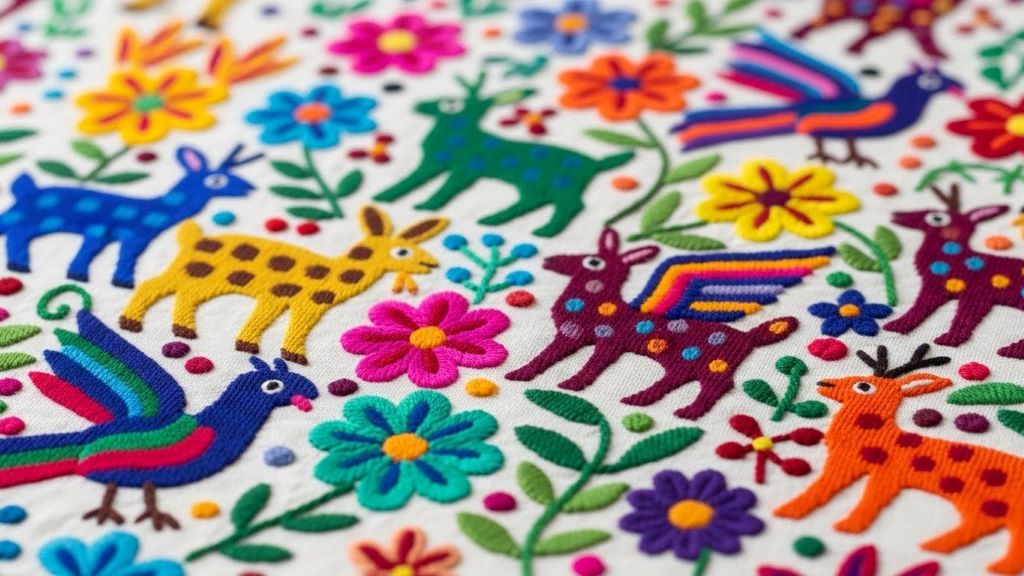
Furthermore, Otomi embroidery represents another treasured tradition. Artisans hand-stitch colorful figures onto white cotton. Animals, flowers, and natural elements fill the designs. High-end fashion houses apply Otomi patterns to dresses, blouses, and home goods.
How Luxury Brands Incorporate Mexican Heritage
Major fashion houses are embracing Mexican textiles in thoughtful ways. They collaborate directly with indigenous artisans. This approach ensures authentic representation and fair compensation.
Carolina Herrera faced controversy in 2019 for using Mexican patterns without proper attribution. This incident sparked important conversations. As a result, brands now prioritize ethical partnerships. They work with cooperatives that support local communities.
Designers blend traditional textiles with modern silhouettes. A classic blazer might feature huipil sleeves. Evening gowns incorporate hand-embroidered Otomi details. Handbags showcase rebozo weaving techniques. These combinations create pieces that honor tradition while feeling contemporary.
Moreover, transparency matters in these collaborations. Brands share stories about the artisans who create their fabrics. Customers learn about weaving techniques and cultural meanings. This education adds value beyond the garment itself.
The Artisans Behind the Fabrics
Indigenous women primarily maintain these textile traditions. Many learned from their mothers and grandmothers. They dedicate their lives to preserving ancient techniques.
Creating heritage fabrics requires immense skill and patience. A single huipil can take three months to complete. Weavers work on backstrap looms attached to their bodies. This technique allows for intricate pattern control. However, it demands physical endurance and concentration.
Natural dyeing processes involve complex knowledge. Artisans gather plants during specific seasons. They understand which minerals fix colors permanently. This wisdom comes from generations of experimentation and observation.
Therefore, fair compensation becomes crucial. Luxury fashion customers pay premium prices. Artisans deserve appropriate payment for their expertise. Ethical brands ensure weavers receive fair wages. They also provide credit and recognition for their work.
Cultural Appropriation Versus Appreciation
The fashion industry must navigate cultural sensitivity carefully. Mexican heritage fabrics carry deep cultural meaning. Using them requires respect and understanding.
Cultural appropriation occurs when designs are copied without acknowledgment. Brands profit while artisans receive nothing. This practice harms communities that originated these traditions. It also perpetuates economic inequality.
Cultural appreciation involves collaboration and credit. Brands partner with indigenous cooperatives. They compensate artisans fairly. Designers explain the cultural significance behind patterns. Marketing materials name the communities involved.
Additionally, Mexico passed legislation protecting indigenous designs. The Federal Law for the Protection of Cultural Heritage took effect in 2022. This law requires brands to obtain permission before using traditional patterns. It represents an important step toward protecting cultural intellectual property.
Sustainability Benefits of Traditional Textiles
Heritage Mexican fabrics align with sustainable fashion values. Traditional methods use natural, biodegradable materials. Artisans employ eco-friendly processes passed down through generations.
Natural dyes come from renewable sources. Unlike synthetic dyes, they don’t pollute waterways. The colors may fade gently over time. However, this creates unique patinas that add character.
Hand-weaving consumes no electricity. Backstrap looms require only human power. This zero-emission production contrasts sharply with industrial textile manufacturing. Mass production relies heavily on fossil fuels.
Furthermore, these textiles are built to last. Quality craftsmanship ensures durability. Garments become heirlooms rather than disposable fashion. This longevity reduces overall consumption and waste.
The Market for Heritage Fabric Fashion
Luxury consumers increasingly value authentic, handcrafted pieces. They seek items with meaningful stories. Heritage Mexican fabrics fulfill this desire perfectly.
High-end retailers now stock pieces featuring traditional textiles. Boutiques in major fashion capitals showcase these designs. Online platforms connect international buyers with Mexican artisan cooperatives. This expanded access benefits both consumers and makers.
Price points reflect the labor-intensive creation process. A hand-woven rebozo might cost several hundred dollars. Designer garments incorporating these textiles can reach thousands. Educated consumers understand they’re investing in artistry and cultural preservation.
Moreover, younger generations drive demand for ethical fashion. They research brand practices before purchasing. Companies demonstrating genuine respect for indigenous cultures gain loyal customers.
According to Vogue, the conversation around Mexican textiles in fashion has intensified. Major publications now cover cultural appropriation issues regularly. This coverage raises awareness and holds brands accountable.
Preserving Traditions Through Fashion
Luxury fashion partnerships can support cultural preservation. When done ethically, they provide economic opportunities. Young people in indigenous communities see value in learning traditional skills.
Without market demand, these techniques might disappear. Younger generations often leave rural areas for urban jobs. Fair-wage opportunities in textile production encourage them to stay. They learn from elders and continue traditions.
Fashion collaborations also increase global appreciation. International exposure elevates the status of indigenous crafts. Museums feature these textiles as fine art. Collectors seek authentic pieces. This recognition validates the artisans’ expertise.
Additionally, some brands fund community development programs. They build schools and healthcare facilities. These investments strengthen the communities producing their fabrics. Such holistic approaches create lasting positive impact.
Challenges Facing Indigenous Textile Producers
Despite growing interest, artisans face significant obstacles. Many lack business training and market access. They struggle to reach international customers directly.
Middlemen sometimes exploit producers. They purchase textiles at low prices and resell them for profit. Artisans see only a fraction of the final retail price. Fair trade certifications help address this problem.
Furthermore, climate change affects natural dye sources. Shifting weather patterns impact plant growth. Traditional knowledge must adapt to environmental changes. This adds another layer of complexity to production.
Competition from machine-made imitations also poses threats. Fast fashion copies traditional patterns cheaply. Consumers may not distinguish between authentic handwork and mass-produced versions. Education becomes essential in preserving value.
The Future of Mexican Heritage Fabrics in Fashion
The trajectory looks promising for authentic collaborations. More brands recognize the importance of ethical practices. Consumers demand transparency and cultural respect.
Technology offers new possibilities for connecting artisans with markets. E-commerce platforms enable direct sales. Social media allows weavers to share their stories. These tools empower producers economically.
However, growth must be managed carefully. Increased demand shouldn’t compromise quality or cultural integrity. Artisans must retain control over their designs. They should participate in decision-making about how their work is used.
Therefore, the fashion industry must continue learning. Listening to indigenous voices matters most. Their guidance ensures that collaborations honor tradition while supporting sustainable livelihoods.
Conclusion
Heritage Mexican fabrics bring extraordinary beauty and cultural depth to luxury fashion. These textiles represent thousands of years of indigenous knowledge and artistry. When brands collaborate ethically with artisan communities, everyone benefits. Consumers receive unique, handcrafted pieces with meaningful stories. Artisans gain fair compensation and global recognition. Most importantly, ancient textile traditions continue thriving for future generations. The key lies in approaching these collaborations with genuine respect, transparency, and commitment to supporting the communities behind these remarkable fabrics.
Frequently Asked Questions
What are the most common heritage Mexican fabrics used in luxury fashion?
The most popular heritage fabrics include huipil, rebozo, sarape, and Otomi embroidery. Each comes from specific indigenous communities and features distinctive patterns, colors, and weaving techniques that make them recognizable in contemporary fashion designs.
How can I tell if a garment uses authentic Mexican textiles?
Authentic pieces typically include information about the artisan community that created them. Look for brand transparency about sourcing, fair trade certifications, and detailed stories about production. Hand-woven fabrics show slight irregularities that machine-made versions lack.
Are Mexican heritage fabrics sustainable?
Yes, traditional Mexican textiles are highly sustainable. Artisans use natural, biodegradable materials and plant-based dyes. Hand-weaving requires no electricity. The quality craftsmanship ensures garments last for years, reducing consumption and waste compared to fast fashion.
How much should I expect to pay for authentic Mexican heritage fabric pieces?
Prices vary based on complexity and designer. Hand-woven rebozo shawls start around $200-$500. Designer garments incorporating traditional textiles typically range from $500 to several thousand dollars. The cost reflects the intensive labor and skilled craftsmanship involved.
How does buying heritage fabric fashion support indigenous communities?
Purchasing from ethical brands provides fair wages to artisan weavers. It creates economic incentives for young people to learn traditional techniques. Many brands also invest in community development programs, funding education and healthcare in producer villages.
Related Topics:
Terracotta Wedding Colors: A Timeless and Trendy Palette for Your Big Day
9 Authentic 70’s Disco Outfits That Will Make You Shine on the Dance Floor
About Author