

Your skin changes every day—and by 2025, the skincare market has evolved to meet those needs with smarter, more effective formulations. Whether you’re battling fine lines, uneven texture, or loss of elasticity, the right products can make a visible difference. According to the National Institutes of Health, collagen production decreases by approximately 1% per year after age 20, leading to sagging and wrinkles. Meanwhile, the American Academy of Dermatology reports that consistent use of proven active ingredients can significantly improve skin firmness and clarity. In this guide, you’ll discover the top products that combine cutting-edge science with real-world results—so you can build a routine that actually works.
Understanding the Basics
Clearer, firmer skin starts with understanding what your skin actually needs. Clarity refers to even tone, reduced blemishes, and a smooth texture free from congestion. Firmness relates to your skin’s structural integrity—how well it bounces back and resists sagging. Both require a combination of hydration, cellular turnover, and collagen support.
Think of your skin like a brick wall. The cells are the bricks, and the lipids (fats) between them are the mortar. When the mortar weakens or the bricks become irregular, the wall loses strength and appearance. Quality skincare products work to reinforce both elements.
The most effective products for 2025 target multiple concerns at once—using ingredients like retinoids for cell turnover, peptides for collagen production, niacinamide for barrier repair, and antioxidants for protection. Understanding these fundamentals helps you make smarter choices instead of falling for marketing hype.
Why This Topic Matters
Investing in the right skincare products isn’t just about vanity—it’s about skin health, confidence, and long-term prevention. Here’s why it matters:
- Preventative care is cost-effective – Addressing skin concerns early prevents the need for expensive treatments later
- Visible results boost confidence – Studies show improved skin appearance correlates with higher self-esteem and quality of life
- Science has advanced significantly – Modern formulations deliver ingredients deeper and more effectively than ever before
Imagine you’re 35 and starting to notice the first signs of aging. You could ignore it and deal with deeper wrinkles at 45, or you could start a targeted routine now that keeps your skin resilient for decades. The difference isn’t just cosmetic—it’s about maintaining your skin’s protective barrier and overall health as you age.
Key Components of an Effective Routine
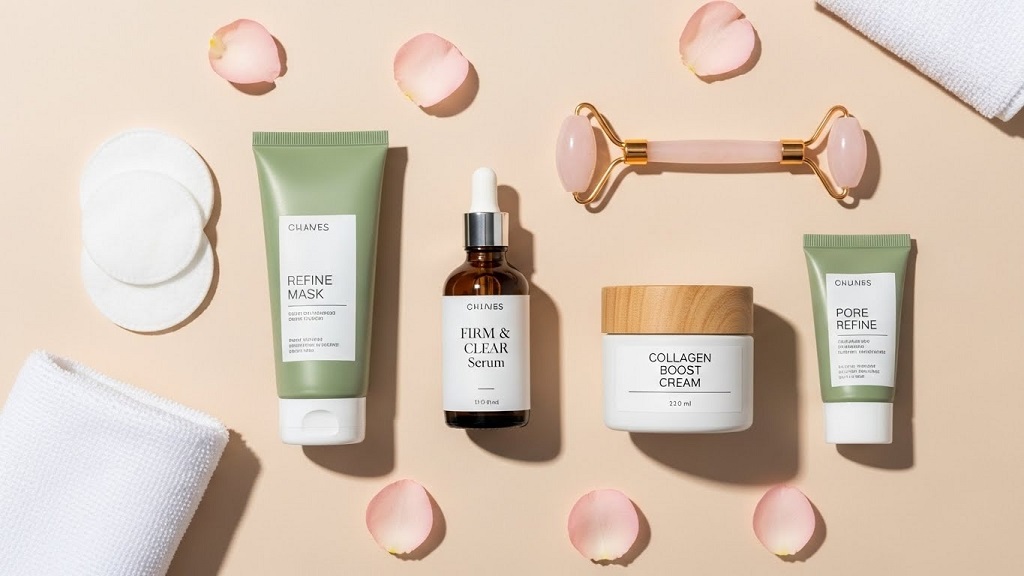
Building clearer, firmer skin requires strategic product selection across several categories.
Cleansers with Active Ingredients
Your cleanser sets the foundation. Look for gentle formulas with salicylic acid (for clarity) or glycolic acid (for texture). Avoid harsh sulfates that strip your skin’s natural oils. A good cleanser removes impurities without disrupting your moisture barrier.
Example: CeraVe SA Cleanser combines salicylic acid with ceramides to clarify pores while maintaining hydration.
Targeted Serums for Transformation
Serums are where the real magic happens. These concentrated formulas deliver active ingredients directly to your skin. For firmness, look for peptides, retinol, or bakuchiol. For clarity, consider niacinamide, vitamin C, or azelaic acid.
The key is consistency. A retinol serum used three times per week for three months will show dramatically better results than using it sporadically. Layer your serums from thinnest to thickest consistency.
Moisturizers That Lock It All In
A quality moisturizer seals in your serums and provides essential hydration. Look for ingredients like hyaluronic acid (holds 1000x its weight in water), ceramides (repair the skin barrier), and peptides (support collagen).
Common mistake to avoid: Many people skip moisturizer when using active ingredients, thinking their skin will stay clearer. This actually triggers more oil production and irritation. Even oily skin needs hydration—just choose a lightweight, non-comedogenic formula.
Practical Tips You Can Apply Today
Ready to upgrade your routine? Here’s how to start:
- Introduce one new active ingredient at a time – Wait 2–4 weeks before adding another to monitor your skin’s response and avoid irritation
- Apply products on damp skin – Your skin absorbs ingredients better when slightly moist, maximizing effectiveness
- Use sunscreen every single day – UV damage undoes all your hard work; choose SPF 30 or higher with broad-spectrum protection
- Store products properly – Keep vitamin C and retinol in cool, dark places to maintain potency
- Be patient – Real skin transformation takes 8–12 weeks; don’t give up after two weeks
The tone here is straightforward: you don’t need 15 products. You need the right 4–5 products used consistently.
Common Mistakes and How to Avoid Them
Mistake 1: Using too many actives at once
Combining retinol, vitamin C, AHAs, and BHAs in one routine causes irritation and damages your barrier. Start with one active ingredient and build slowly. If you want to use multiple actives, alternate nights or use them at different times of day.
Mistake 2: Skipping patch tests
New products can cause allergic reactions or breakouts. Always test a small amount on your inner arm or behind your ear for 24 hours before applying to your face.
Mistake 3: Ignoring your skin type
A product that works for dry skin might clog oily skin, and vice versa. Pay attention to how your skin feels—tight and flaky means you need more moisture; greasy and congested means you need lighter formulations.
Mistake 4: Expecting overnight results
Skincare is a marathon, not a sprint. Cellular turnover takes 28–40 days, and collagen rebuilding takes even longer. Trust the process and document your progress with photos.
Real Example: Sarah’s Journey to Firmer Skin
Sarah, a 42-year-old marketing director, noticed her jawline losing definition and her cheeks developing deeper smile lines. She’d been using the same drugstore moisturizer for years but nothing targeted her aging concerns.
After researching, she built a simple routine: a gentle cleanser, a peptide serum, a retinol cream three nights per week, and a quality SPF moisturizer daily. She started slowly with retinol—just once a week—then gradually increased frequency.
Within six weeks, she noticed her skin texture felt smoother. By three months, the fine lines around her eyes had softened visibly, and her overall firmness improved. The key wasn’t expensive products—she spent under $150 total—but consistency and strategic ingredient selection.
Sarah’s story illustrates an important point: you don’t need a 12-step routine or luxury brands. You need proven ingredients used consistently over time.
Final Thoughts
Achieving clearer, firmer skin in 2025 doesn’t require mystery or confusion. Focus on proven active ingredients like retinoids, peptides, niacinamide, and antioxidants. Build a simple, consistent routine tailored to your skin type. Protect your investment with daily sunscreen. Most importantly, give your skin time to respond—real transformation happens over months, not days.
Your action step: Choose one concern to address first—either clarity or firmness—and select one targeted serum to introduce this week. Document your starting point with a photo and commit to 90 days of consistency. Your future skin will thank you.
FAQs
What’s the single most important product for firmer skin?
Retinoids (retinol or prescription tretinoin) are the gold standard for firmness. They boost collagen production, increase cell turnover, and improve skin texture. Start with a low concentration and use 2–3 times weekly to build tolerance.
Can I get clearer skin without harsh acne treatments?
Yes. Niacinamide, azelaic acid, and gentle BHAs like salicylic acid can improve clarity without the irritation of benzoyl peroxide or strong acids. Focus on consistent cleansing and barrier support for sustainable results.
How long before I see results from new products?
Most people notice initial improvements in 4–6 weeks, with significant visible changes by 12 weeks. Collagen-building ingredients take the longest—sometimes 4–6 months for full results. Track progress with monthly photos.
Are expensive products better than drugstore options?
Not necessarily. Many drugstore brands use the same active ingredients as luxury lines. What matters is the concentration and formulation stability. CeraVe, The Ordinary, and La Roche-Posay offer excellent, affordable options backed by dermatologists.
Should I see a dermatologist before starting new products?
If you have sensitive skin, severe acne, rosacea, or other skin conditions, consulting a dermatologist is wise. They can prescribe stronger formulations and help you avoid ingredients that might trigger flare-ups. For general anti-aging and clarity, you can start with over-the-counter products.
Related Topics: The Science Behind Long-lasting Lipstick Formulas: A Deep Dive
Related Topics: Moved but not too much? Try flat waves on your hair
References
- National Institute on Aging. (2024). Skin Care and Aging. https://www.nia.nih.gov/health/skin-care-and-aging
- American Academy of Dermatology. (2024). Sunscreen FAQs. https://www.aad.org/public/everyday-care/sun-protection/sunscreen-patients/sunscreen-faqs
- National Institutes of Health. (2023). Collagen and Skin Aging. https://www.ncbi.nlm.nih.gov/pmc/articles/PMC6835901/
- Journal of Clinical and Aesthetic Dermatology. (2024). Retinoids in the Treatment of Skin Aging. https://www.ncbi.nlm.nih.gov/pmc/articles/PMC2699641/
About Author