
Running long distances places tremendous stress on your feet. Every step generates impact forces that travel through your body. Over miles and miles, this repetition can lead to discomfort, injury, and exhaustion. However, the right footwear makes all the difference. Cushioned shoes have become essential for runners tackling extended training sessions and competitive events.
Understanding how proper cushioning works helps you make informed choices. This article explores the science behind cushioned running shoes and why they matter for distance athletes. Additionally, we’ll examine specific features that prevent foot pain during lengthy runs.
The Science Behind Cushioning Technology
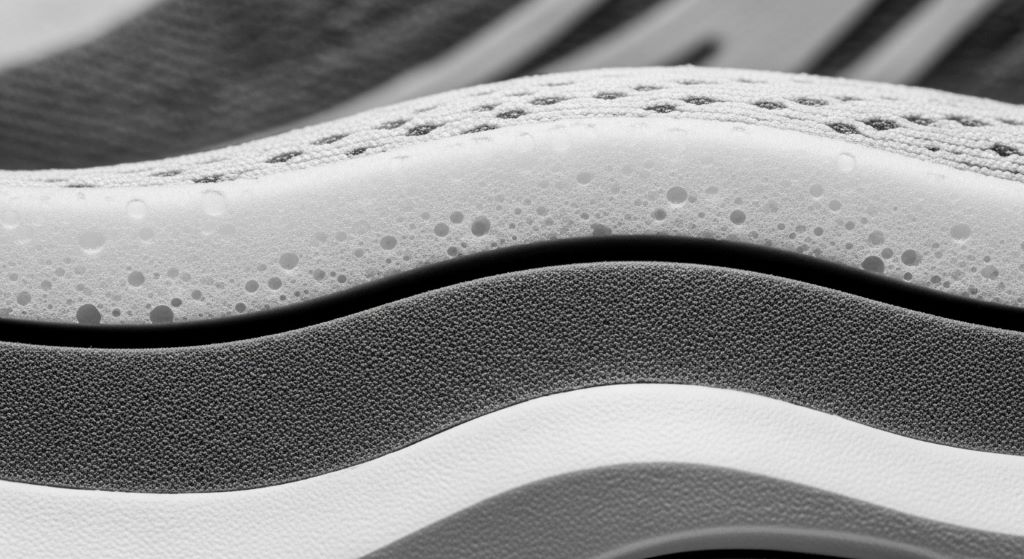
Modern running shoes incorporate advanced materials designed to absorb shock. When your foot strikes the ground, cushioning systems compress and redistribute impact forces. This process reduces stress on your joints, muscles, and connective tissues.
Different cushioning technologies serve various purposes. Some materials provide soft, plush comfort for recovery runs. Others offer responsive energy return that propels you forward. Furthermore, certain designs combine multiple density foams to balance protection and performance.
The human foot contains 26 bones, 33 joints, and over 100 muscles, tendons, and ligaments. This complex structure requires adequate protection during repetitive motion. Therefore, cushioning acts as a buffer between your body and the unforgiving pavement or trail surface.
Research shows that proper cushioning can reduce peak impact forces by up to 30 percent. This reduction becomes crucial during long runs when fatigue compromises your natural shock absorption. Your muscles tire, and your running form deteriorates. Consequently, your shoes must compensate for these changes.
Why Distance Running Demands Special Footwear
Training for marathons and ultramarathons requires substantial weekly mileage. Runners often accumulate 40 to 70 miles per week during peak training periods. Each mile represents thousands of individual foot strikes. Without appropriate footwear, this volume creates problems.
Foot pain during long runs typically stems from several sources. Plantar fasciitis develops from inflammation in the tissue connecting your heel to your toes. Metatarsalgia causes sharp pain in the ball of your foot. Additionally, stress fractures can occur from repeated impact without adequate cushioning.
Marathon running shoes are specifically engineered to address these challenges. They feature thicker midsoles that maintain cushioning properties over extended periods. Moreover, they incorporate durable materials that resist compression set, ensuring consistent protection mile after mile.
The relationship between cushioning and injury prevention extends beyond simple shock absorption. Proper footwear also promotes better biomechanics. When your feet feel comfortable and supported, you maintain efficient running form longer. This efficiency reduces compensatory movements that often lead to injuries.
Key Features That Prevent Foot Pain
Several design elements work together to create pain-free running experiences. Understanding these features helps you identify shoes that match your needs.
Midsole composition forms the foundation of cushioning performance. EVA foam, once the industry standard, now competes with newer materials like TPU and proprietary compounds. These modern foams offer superior energy return while maintaining lightweight profiles. Furthermore, they resist bottoming out even after hundreds of miles.
Stack height refers to the amount of material between your foot and the ground. Higher stack heights provide more cushioning but may reduce ground feel and stability. Conversely, lower profiles offer better proprioception but less protection. Endurance running footwear often balances these considerations with moderate stack heights.
The heel-to-toe drop influences your foot strike pattern and weight distribution. Shoes with higher drops encourage heel striking, while lower drops promote midfoot or forefoot landing. Neither approach is inherently superior, but matching the drop to your natural gait prevents discomfort.
Outsole design affects traction and durability. Strategic rubber placement protects high-wear areas while reducing overall weight. Additionally, flex grooves in the outsole facilitate smooth transitions from heel strike through toe-off.
Upper construction contributes to overall comfort during long runs. Breathable mesh materials prevent overheating and moisture buildup. Seamless construction eliminates friction points that cause blisters. Moreover, generous toe boxes accommodate foot swelling that occurs during extended efforts.
How Cushioning Changes Throughout a Long Run
Your cushioning needs evolve as miles accumulate. Fresh legs at the start of a run handle impact differently than fatigued muscles at mile 20. Understanding this progression explains why quality cushioning matters increasingly as runs extend.
During the first few miles, your body functions optimally. Muscles actively absorb shock, and your running form remains efficient. However, as glycogen depletes and muscle fatigue sets in, your natural shock absorption diminishes. Therefore, your shoes must compensate for this declining capacity.
Studies reveal that ground reaction forces increase by 10 to 15 percent during the final miles of marathons. This increase occurs because tired legs cannot effectively attenuate impact. Consequently, without adequate cushioning, these forces translate directly to your bones and joints.
Temperature also affects cushioning performance. Most foam materials become firmer in cold weather and softer in heat. Quality marathon running shoes maintain consistent cushioning across temperature ranges. This stability ensures reliable protection regardless of conditions.
The compression rate of midsole materials influences long-run comfort. Some foams compress quickly, providing initial softness but losing effectiveness over time. Others maintain their cushioning properties throughout extended use. Premium shoes incorporate durable foams that resist compression set.
Matching Cushioning Levels to Your Running Style
Individual runners require different cushioning profiles based on biomechanics, weight, and preferences. What feels perfect for one athlete might cause problems for another. Therefore, understanding your specific needs guides optimal shoe selection.
Heavier runners benefit from more robust cushioning systems. Additional body weight generates greater impact forces that demand superior shock absorption. Lighter runners, meanwhile, may prefer more responsive shoes with moderate cushioning.
Your foot strike pattern also determines ideal cushioning placement. Heel strikers need substantial cushioning in the rearfoot to handle initial impact. Midfoot and forefoot strikers require more protection in the anterior regions. Many modern shoes provide graduated cushioning that accommodates various strike patterns.
Running surface influences cushioning requirements as well. Pavement and concrete demand maximum shock absorption due to their unforgiving nature. Trails and softer surfaces naturally absorb some impact, allowing for less cushioned shoes. Additionally, track running permits firmer shoes since the surface provides inherent cushioning.
Previous injuries inform cushioning choices too. Runners recovering from stress fractures typically need maximum protection. Those with plantar fasciitis benefit from shoes with supportive arch areas and heel cushioning. Furthermore, Achilles tendon issues often improve with higher heel-to-toe drops that reduce strain.
The Role of Cushioning in Recovery
Post-run recovery begins the moment you start your cool-down. Your shoes continue affecting your body even during easy recovery runs and walking. Therefore, appropriate cushioning supports the recovery process.
Recovery runs require maximum comfort and minimal stress. Soft, plush cushioning allows your body to flush metabolic waste while avoiding additional tissue damage. These runs maintain cardiovascular fitness without compromising healing. Moreover, comfortable shoes encourage proper recovery run pacing.
Many serious runners maintain separate shoe rotations for different training purposes. Endurance running footwear designated for long runs might differ from shoes used for speedwork or recovery. This rotation strategy optimizes cushioning benefits for each workout type.
Walking in cushioned shoes after long runs reduces post-exercise soreness. The continued shock absorption protects inflamed tissues and prevents additional microtrauma. Additionally, elevated heel cushioning can alleviate calf and Achilles tightness.
Common Misconceptions About Cushioned Running Shoes
Several myths surround cushioned footwear that deserve clarification. Understanding the truth helps runners make better decisions.
Some believe that excessive cushioning weakens feet and legs. However, research indicates that appropriate cushioning actually allows muscles to function more efficiently. Your body doesn’t waste energy on impact absorption and can focus on forward propulsion instead.
Another misconception suggests that cushioned shoes cause injuries by altering natural biomechanics. In reality, most runners adapt quickly to different cushioning levels. Problems arise from sudden changes rather than cushioning itself. Therefore, gradual transitions prevent adaptation issues.
The notion that minimalist shoes superior for all runners has been largely debunked. While some athletes thrive in minimal footwear, many others suffer increased injury rates. Individual variation means no single approach works universally. Consequently, finding what works for your body matters most.
Some runners worry that cushioned shoes make them slower. Modern cushioning technologies actually improve efficiency through energy return properties. These materials store impact energy and release it during toe-off. Furthermore, reduced fatigue from better cushioning often improves late-race performance.
Selecting the Right Shoes for Your Next Long Run
Choosing appropriate footwear involves assessing multiple factors. Consider these elements when shopping for your next pair.
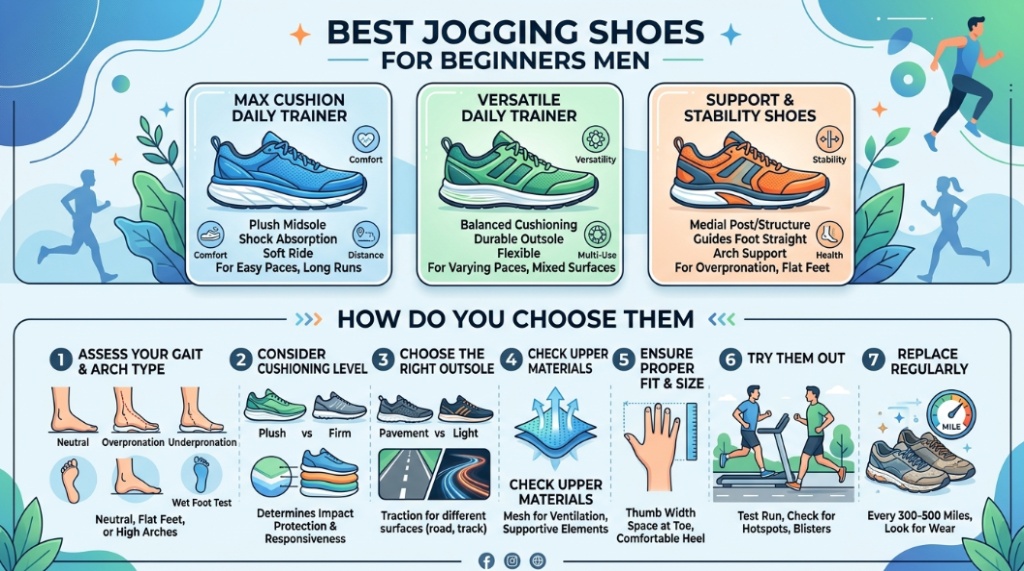
Visit specialty running stores where trained staff analyze your gait. Many retailers offer treadmill analysis that reveals your strike pattern and pronation tendencies. This information guides recommendations toward shoes matching your biomechanics.
Test shoes during actual runs rather than relying solely on in-store trials. Most reputable retailers allow return periods for shoes that don’t perform as expected. Take advantage of these policies to ensure proper fit and function.
Pay attention to how shoes feel at different mileages. Initial comfort matters, but cushioning that maintains properties over 300 to 500 miles provides better value. Additionally, track when shoes lose their cushioning effectiveness to prevent injury from worn-out footwear.
Consider seasonal needs when building your shoe rotation. Summer running often requires more breathable uppers, while winter conditions demand weather-resistant materials. Furthermore, cushioning properties that work in moderate temperatures might feel too soft or firm in extreme conditions.
Don’t ignore your feet’s feedback during runs. Persistent hot spots, numbness, or pain indicate fit problems that new shoes should resolve. Moreover, comparing how different shoes feel during similar workouts reveals which cushioning systems work best for you.
The Future of Cushioning Technology
Innovation in running shoe design continues accelerating. Emerging technologies promise even better protection and performance for distance runners.
Carbon fiber plates embedded in midsoles have revolutionized marathon racing. These rigid structures work synergistically with thick cushioning to improve running economy. However, they also reduce foot and leg fatigue during long efforts.
Newer foam formulations incorporate supercritical processes that create lighter, more resilient materials. These next-generation foams provide the cushioning of traditional materials at significantly reduced weight. Therefore, runners enjoy maximum protection without carrying extra mass.
3D printing technology enables customized midsoles tailored to individual foot shapes and pressure distributions. While currently expensive, this personalization may become accessible to everyday runners within years. Additionally, it could eliminate the trial-and-error process of finding appropriate shoes.
Sustainable materials are increasingly appearing in running shoes. Algae-based foams, recycled plastics, and plant-derived components reduce environmental impact. These eco-friendly materials often perform comparably to traditional options while supporting sustainability goals.
Maintaining Your Cushioned Running Shoes
Proper care extends shoe lifespan and maintains cushioning effectiveness. Simple habits preserve your investment and protect your feet.
Rotate between multiple pairs to allow midsole foams to fully recover between runs. Foam materials compress during use and need time to return to original shape. Using the same shoes daily accelerates degradation and reduces cushioning performance.
Air-dry shoes naturally rather than using heat sources. High temperatures can damage adhesives and alter foam properties. Remove insoles and stuff shoes with newspaper to absorb moisture and maintain shape.
Replace shoes based on mileage and performance rather than appearance. Even shoes that look fine externally may have compressed midsoles. Most running shoes deliver optimal cushioning for 300 to 500 miles before requiring replacement.
Clean shoes regularly to prevent material breakdown from dirt and sweat. Gentle hand washing preserves structural integrity better than machine washing. Moreover, keeping shoes clean extends their functional lifespan.
Conclusion
Cushioned running shoes provide essential protection for distance runners tackling long training runs and races. The right cushioning reduces impact forces, prevents common injuries, and maintains comfort over extended mileage. Marathon running shoes and endurance running footwear incorporate advanced materials and thoughtful design to address the unique demands of high-mileage training.
Understanding cushioning technology helps you select shoes matching your individual needs. Consider your biomechanics, running surface, body weight, and injury history when choosing footwear. Additionally, proper shoe maintenance and timely replacement ensure consistent protection.
The evolution of cushioning technology continues improving the running experience. Modern materials offer superior shock absorption while remaining lightweight and responsive. Therefore, today’s distance runners have access to footwear that previous generations could only imagine.
Investing in quality cushioned shoes pays dividends through reduced injury risk and improved performance. Your feet carry you through thousands of miles. Treat them well with appropriate footwear, and they’ll support your running goals for years to come.
Frequently Asked Questions
How often should I replace my cushioned running shoes?
Replace your running shoes every 300 to 500 miles, depending on your weight, running style, and the surfaces you run on. Track your mileage and pay attention to how the cushioning feels. When shoes start feeling flat or your legs feel more fatigued after runs, it’s time for new shoes.
Can too much cushioning cause injury?
Excessive cushioning doesn’t directly cause injury, but sudden changes in cushioning levels can lead to problems. Your body adapts to the shoes you regularly wear. Transition gradually when switching between significantly different cushioning profiles to allow your muscles and tendons to adjust.
Do I need different shoes for training versus racing?
Many runners benefit from having separate training and racing shoes. Training shoes typically offer more cushioning for daily mileage protection, while racing shoes might be lighter with more responsive cushioning. However, some runners successfully use the same shoes for both purposes.
How do I know if I need more or less cushioning?
If you experience persistent foot, shin, or knee pain during or after long runs, you might need more cushioning. Conversely, if you feel disconnected from the ground or unstable, less cushioning could help. Consult with running specialty store staff who can analyze your gait and recommend appropriate options.
Does cushioning affect running speed?
Modern cushioned shoes with energy-return technologies can actually improve running efficiency and speed. While racing flats are traditionally lighter with less cushioning, many elite marathoners now compete in highly cushioned shoes. The reduced fatigue from proper cushioning often outweighs any minimal weight penalty.
Related Topics:
Boots and Booties: A Comprehensive Guide to Timeless Footwear Styles
Silver Evening Shoes with Block Heels: A Comprehensive Guide
About Author