
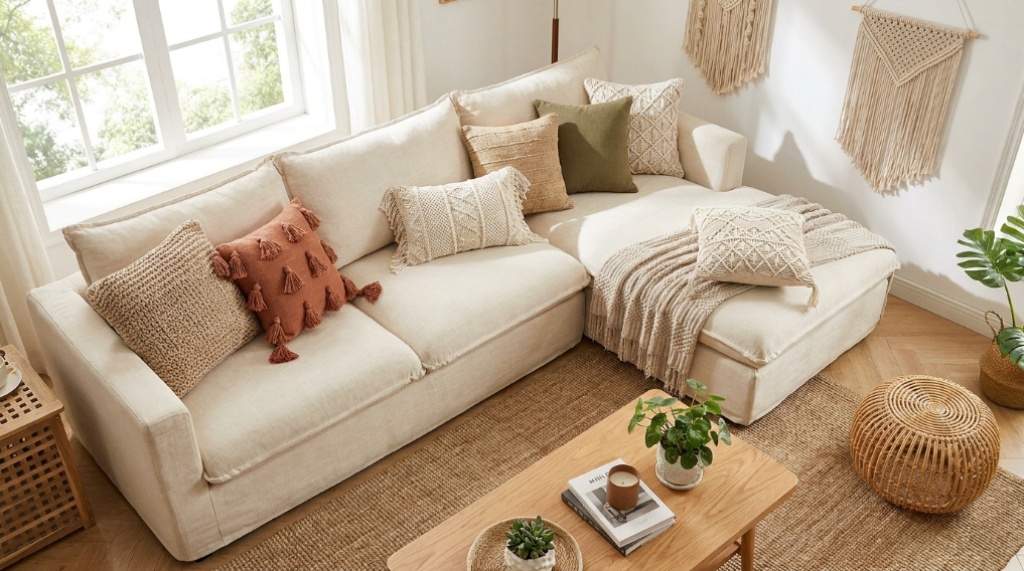
Boho farmhouse style works best when a room feels collected rather than decorated all at once. Pillow covers are the easiest way to build that layered, lived-in look without replacing furniture or repainting walls. MIULEE’s linen fringe pillow covers have become a popular choice for exactly this reason: they combine a relaxed natural texture with a decorative fringe detail that reads boho without tipping into clutter. This article explains seven practical reasons these covers work for boho farmhouse spaces, plus what to check before you buy so the covers actually fit your pillows and your routine.
Key Takeaways
- Linen-blend covers with fringe add texture and softness that solid cotton or synthetic covers usually lack, which is central to the boho farmhouse look.
- Hidden zipper closures keep the fringe as the focal point and make covers easy to swap between seasons.
- Most MIULEE covers are sold as covers only, so you need to confirm your insert size and shape before ordering.
- Fringe requires gentler washing than plain fabric, so plan for cold water, low heat, or air drying to protect the trim.
- Mixing two or three neutral tones in the same size creates the layered effect faster than buying one accent color.
Why Linen Fringe Covers Suit Boho Farmhouse Style
Boho farmhouse sits between two aesthetics: rustic farmhouse warmth and bohemian looseness. The style depends on visible texture, muted earth tones, and a mix of materials rather than matching sets. Flat, shiny, or tightly woven fabrics fight that look. Linen and linen-blend fabrics support it because they have a subtle slub and matte finish that catches light softly instead of reflecting it.
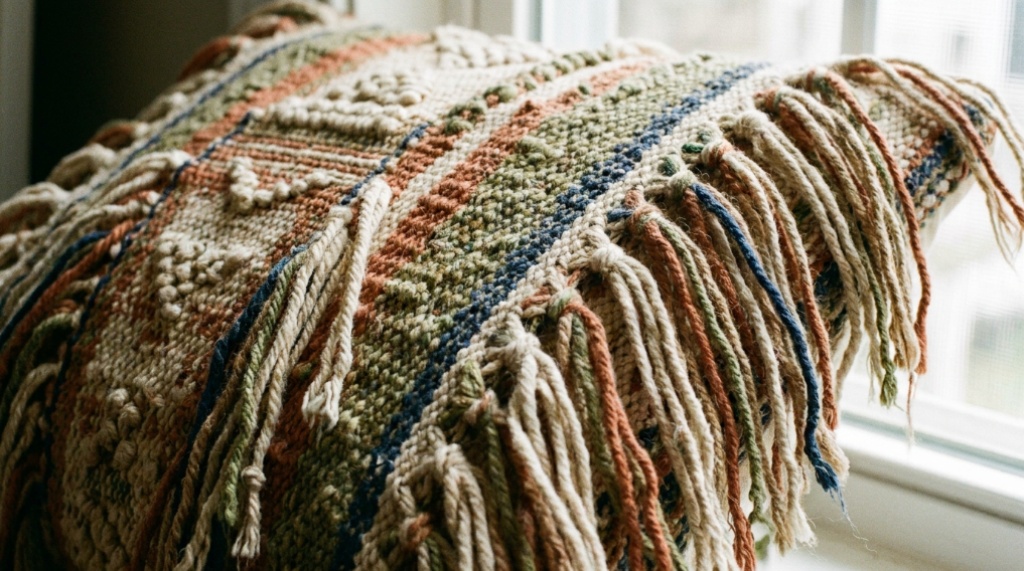
Fringe adds a second layer of texture at the edges of the pillow, which draws the eye and breaks up the visual line of a sofa or bed. That small detail is often what separates a room that looks styled from one that looks like a furniture showroom. If you want a closer look at how these covers are described and sold, this overview of linen fringe pillow covers covers the product details and sizing options.
1. The Fabric Blend Balances Look and Durability
Pure linen wrinkles easily, can feel stiff when new, and usually costs more. Many MIULEE covers use a linen-cotton or linen-polyester blend, which softens the hand feel, reduces excessive wrinkling, and holds up better to frequent use. That trade-off matters in real homes: a cover that looks perfect but creases badly after one afternoon of use is frustrating.
Blends also tend to resist shrinking more predictably than pure linen, though you should still expect some movement after the first wash. If you want the most natural look and don’t mind ironing or steaming, a higher linen content is worth it. If you want low maintenance, a blend with more cotton or synthetic fiber is the more practical pick. if you want more inspiration for your living space, check out easy ways to create a cosier home.
2. Fringe Adds Texture Without Adding Pattern
Patterned pillows can overwhelm a boho farmhouse room quickly, especially when you already have a woven rug, a rattan chair, or a gallery wall. Fringe gives you visual interest through texture instead of print. That means you can layer several covers in different colors and still keep the space calm.
Fringe also hides minor imperfections at the seam and softens the hard edge of a square pillow. On a neutral sofa, a row of fringed covers in cream, oatmeal, and clay reads as intentional layering rather than a mismatch.
3. Hidden Zippers Keep the Look Clean
A well-placed hidden zipper is one of the most underrated features in a decorative pillow cover. It keeps the closure out of sight, so the fringe stays the focus. It also makes the cover easier to remove than an envelope closure that can gap or stretch over time.
When you check a listing, look for two things: whether the zipper is described as hidden or invisible, and whether the zipper pull is metal or plastic. Metal pulls generally slide more smoothly and last longer, but either works if you handle the cover gently. Always open the zipper most of the way before inserting or removing the pillow to avoid stressing the seam.
4. They Swap Easily for Seasonal Changes
Covers, not full pillows, are the practical way to change a room through the year. You store flat fabric instead of bulky inserts, and you can shift from light neutrals in summer to deeper rust, olive, or charcoal tones in fall without buying new pillows.
A simple rotation works well: keep one set of covers in a warm neutral and one in a seasonal color, then swap two or three at a time rather than the whole sofa. Partial swaps look more collected and cost less than replacing everything at once.
5. Sizing and Insert Choice Make or Break the Result
The most common mistake with any decorative cover is ordering the same size as the insert. A cover the exact size of the insert usually looks flat and underfilled. The practical rule is to use an insert one size larger than the cover, or to overstuff with a firmer insert of the same size.
| Cover Size | Recommended Insert | Result |
|---|---|---|
| 18 x 18 in | 20 x 20 in | Full, tailored look with defined corners |
| 20 x 20 in | 22 x 22 in | Plump, comfortable for sofas and beds |
| 12 x 20 in | 14 x 22 in | Firmer lumbar support for chairs or benches |
This is a general sizing convention, not a fixed rule, so check the specific listing for its recommended insert size. Also confirm whether the cover is square, lumbar, or a euro sham, since fringe covers are often sold in more than one shape.
6. Care Requirements Are Manageable but Specific
Fringe is the part of the cover most likely to tangle, snag, or fray, so it drives most of the care routine. A realistic approach:
- Wash in cold water on a gentle cycle, or hand wash if the fringe is long or loosely twisted.
- Turn the cover inside out and close the zipper before washing to protect both the fringe and the closure.
- Use a mesh laundry bag if you wash several covers together to prevent the fringes from knotting.
- Avoid high heat in the dryer, which can shrink linen blends and frizz synthetic fringe.
- Air dry flat or line dry, then steam or press on low heat if needed.
Skip bleach and fabric softener. Bleach weakens natural fibers, and softener can leave a coating that dulls the matte linen finish. A quick shake after drying usually restores the fringe enough for everyday use.
7. Styling Them Well Matters More Than the Brand
The covers only look good if you place them intentionally. A few approaches that suit boho farmhouse rooms:
- Use an odd number of pillows per surface, such as three on a sofa or five across a bed, which reads more naturally than pairs.
- Mix sizes: a large square paired with a lumbar in front creates depth.
- Stay within two or three neutral tones so texture does the work instead of color contrast.
- Add one non-fabric element nearby, such as a woven basket, ceramic vase, or wooden tray, to echo the natural materials.
- Rotate the fringe to face outward on the front pillow so the detail stays visible.
If a room already feels busy, choose covers in a single tone and let the fringe provide the only detail. If a room feels flat, layer two tones in the same size and add one patterned accent pillow in a smaller size.
Limitations Worth Knowing Before You Buy
Fringe covers are not the best choice for every situation. Households with cats or dogs that chew or claw fabric may find the fringe snags or pulls over time. Homes with very heavy daily use, such as a family room with young children, may do better with plain woven covers that can take rougher handling. Linen blends also wrinkle more than synthetic covers, so if you want a crisp, hotel-style finish with minimal upkeep, a cotton or performance-fabric cover may be the better fit.
These covers also usually ship as covers only, without inserts. That is normal for decorative pillow covers, but it does mean budgeting for inserts separately.
Frequently Asked Questions
Do MIULEE linen fringe pillow covers come with inserts?
Typically no. MIULEE sells many of its decorative covers as cover-only products, so you order inserts separately. Check the specific listing description to confirm what is included before purchasing.
What size insert should I use for an 18×18 cover?
A 20×20 insert is the common recommendation for an 18×18 cover because the extra inch of filling creates a fuller, more tailored shape. Confirm the manufacturer’s suggestion for your specific cover, since fringe styles can run slightly smaller inside.
Can linen fringe pillow covers be machine washed?
Many can be machine washed on a cold, gentle cycle, but the fringe is the fragile part. Turn the cover inside out, close the zipper, and use a mesh bag. Air dry or use low heat to protect both the linen blend and the fringe.
Will the fringe fray or shed over time?
Some shedding is normal with any fringed textile, especially in the first few washes. Proper care, including cold water and avoiding high dryer heat, limits fraying. Loose strands can usually be trimmed carefully with small scissors.
Are these covers good for a sofa with pets?
They can work, but the fringe is a snag risk for cats and dogs that chew, claw, or knead fabric. In pet-heavy homes, plain woven or performance-fabric covers tend to hold up better. If you do use fringed covers, keep them on higher surfaces or rotate them out during rough play periods.
How many covers do I need for a typical sofa?
Three to five pillows is a common range for a standard sofa, using a mix of sizes such as two large squares and one or two lumbar covers. An odd number generally looks more relaxed and less symmetrical than even pairs.
Conclusion
MIULEE linen fringe pillow covers earn their place in boho farmhouse rooms because they deliver texture, muted color, and a relaxed finish without demanding a full redesign. The details that matter most are the ones you control: choose the right insert size, protect the fringe with gentle washing, and style in odd-numbered, mixed-size groupings. Start with two or three covers in neutral tones, see how they sit in the room, and add from there rather than buying a full set at once.
About Author