Brazil is a country full of color, energy, and culture. Its fashion history reflects all of that. From the vibrant fabrics of Indigenous communities to the elegant colonial silhouettes of the 19th century, Brazilian fashion has always told a powerful story. Today, many fashion lovers are discovering how to blend historical Brazilian fashion with contemporary summer fashion. The result is a style that feels both fresh and deeply rooted in tradition.
However, mixing historical references with modern trends is not always easy. It requires an understanding of where certain styles come from. It also requires a thoughtful approach to how you combine them. Therefore, this guide will take you through the rich history of Brazilian fashion and show you exactly how to bring it into your summer wardrobe today.
A Brief History of Brazilian Fashion
Brazilian fashion did not develop in isolation. It was shaped by centuries of cultural exchange. Indigenous peoples were the first to establish a visual identity on Brazilian soil. They used natural dyes, feathers, and body paint as forms of adornment. Their use of color and natural materials was bold and intentional.
When Portuguese colonizers arrived in the 16th century, European silhouettes and fabrics began to mix with local traditions. Additionally, the forced arrival of enslaved Africans introduced new textile techniques, patterns, and a rich sense of ornamentation. This layering of cultures gave Brazilian fashion a unique character that cannot be found anywhere else in the world.
By the 20th century, Brazil had developed a distinct fashion identity. Designers like Zuzu Angel and Ronaldo Fraga began to celebrate Brazilian culture through their collections. Furthermore, the rise of Carnival as a global phenomenon brought international attention to the flamboyant, expressive side of Brazilian dress. All of these threads, therefore, form the rich historical backdrop that you can draw from when building a summer look today.
Key Elements of Historical Brazilian Fashion
Before blending historical and contemporary styles, it helps to understand the key elements that define historical Brazilian fashion. These are the building blocks you will use when creating your outfits.
Vibrant Colors and Tropical Prints
Color is at the heart of Brazilian visual culture. Historical Brazilian dress often featured rich yellows, deep reds, bright greens, and vivid blues. These colors were inspired by the tropical landscape, including the Amazon rainforest, the ocean coastlines, and the exotic birds native to the region. Prints featuring parrots, flowers, and jungle foliage were also common in traditional Brazilian textiles.
Lace and Handcrafted Fabrics
The northeastern state of Ceara is famous for its renda, a type of traditional handmade lace. This delicate craft has been passed down through generations of Brazilian artisans. Similarly, the Bahian costume, worn by the Baianas de Acaraje, features layered white skirts, lace blouses, and colorful turbans. These garments carry deep cultural meaning and are a beautiful example of Afro-Brazilian textile heritage.
Natural Materials and Earthy Textures
Indigenous Brazilian fashion made use of natural materials. These included cotton, palm fibers, seeds, and feathers. Earthy textures were common, and garments were often light and breathable to suit the warm climate. This practical relationship with nature is still a defining characteristic of Brazilian design today. Additionally, this focus on natural fabrics translates perfectly into summer fashion.
Bold Ornamentation and Accessories
Brazilian fashion has always embraced ornamentation. Beaded necklaces, straw hats, wide fabric belts, and layered bracelets are all rooted in Brazilian cultural dress. These accessories were not just decorative. They carried spiritual and social meaning. However, in a contemporary context, they serve as powerful style statements that can elevate any summer outfit.
Understanding Contemporary Summer Fashion
Contemporary summer fashion is all about ease, lightness, and self-expression. Current trends favor breathable fabrics like linen, cotton, and light silk. Loose silhouettes, maxi dresses, wide-leg trousers, and open-back tops are all popular choices. Additionally, minimalism and maximalism exist side by side in todays summer fashion landscape.
Sustainability is also a growing priority in modern fashion. More consumers are choosing pieces made from natural or recycled materials. Therefore, this creates a natural connection to historical Brazilian fashion, which has always valued natural textiles and handmade craftsmanship. The overlap between old and new is greater than many people realize.
How to Blend Historical Brazilian Fashion With Your Summer Wardrobe
Now comes the exciting part. Here is how you can bring historical Brazilian fashion into your contemporary summer looks in a way that feels thoughtful, stylish, and authentic.
Start With Color
The easiest way to introduce historical Brazilian influence into your summer outfits is through color. Choose pieces in the warm, vivid tones that define Brazilian fashion. A bright yellow sundress, a coral linen shirt, or a deep green maxi skirt can all serve as the foundation of a Brazil-inspired look. However, you do not need to wear multiple bold colors at once. Start with one standout piece and build around it.
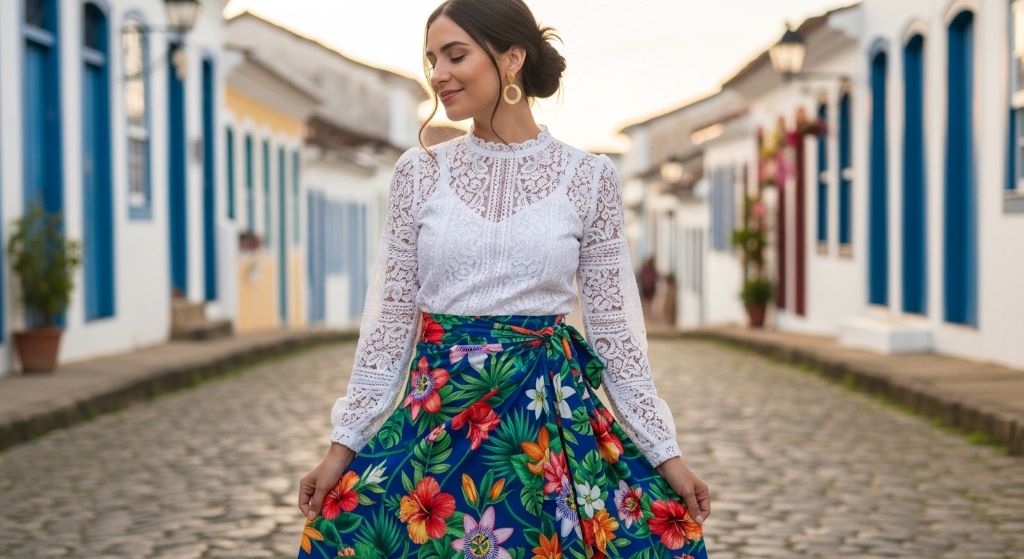
Additionally, tropical prints are a direct nod to Brazils natural heritage. Look for contemporary pieces featuring palm leaves, hibiscus flowers, or abstract jungle patterns. Pair a tropical-print blouse with simple white linen trousers for a balanced, modern look that still honors the historical spirit of Brazilian dress.
Incorporate Lace Details
Lace has a strong presence in Brazilian fashion history. Therefore, incorporating lace into your summer wardrobe is one of the most direct ways to pay tribute to this heritage. Look for a contemporary top or dress with lace trim or crochet detailing. These pieces are widely available in modern fashion and feel right at home in warm weather.
A white lace blouse paired with high-waisted shorts is a simple yet effective combination. It captures the elegance of Bahian dress while feeling completely wearable in a modern context. Furthermore, off-white and cream lace pieces work especially well in summer because they reflect light and stay cool in the heat.
Layer Natural Textures
Brazilian historical fashion was built on natural materials. You can honor this by choosing summer outfits made from cotton, linen, or jute. These fabrics are not only historically connected to Brazilian craftsmanship but are also the most practical choices for hot summer days. Look for woven textures, raw hems, and organic weaves that reflect the handmade quality of traditional Brazilian garments.
Additionally, straw bags and woven sandals are accessories that bridge the historical and the contemporary effortlessly. They have roots in Brazilian artisan culture and are also hugely popular in todays summer fashion market. Therefore, adding these accessories to any outfit instantly gives it a Brazilian-inspired feel.
Use Accessories to Tell the Story
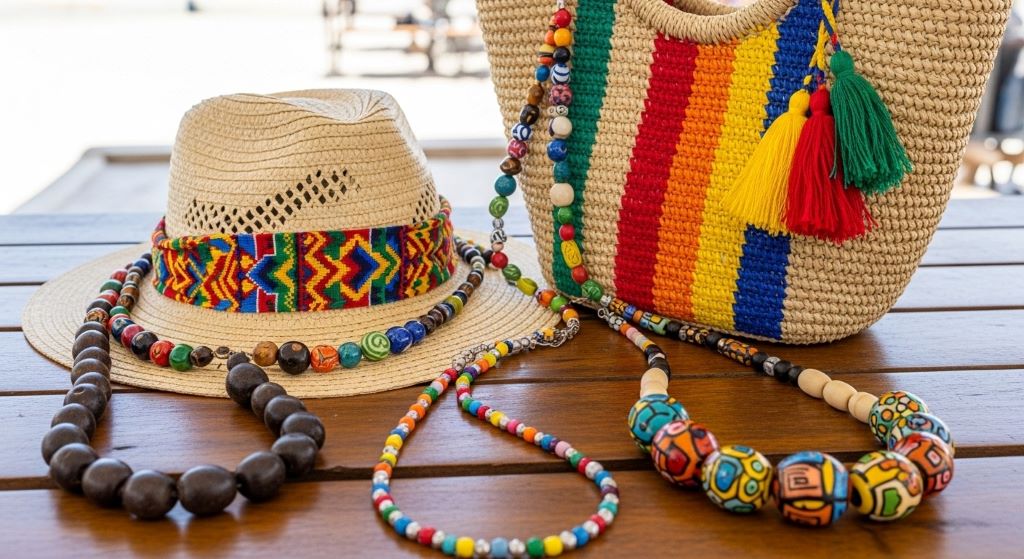
Accessories are one of the most powerful tools when blending historical and contemporary styles. Brazilian cultural dress is rich with meaningful ornamentation. You can translate this into your summer look by layering beaded bracelets, wearing bold hoop earrings, or adding a wide fabric belt to a simple dress. Each of these choices echoes the decorative traditions of historical Brazilian fashion.
However, it is important not to over-accessorize. Choose two or three statement pieces and let them shine. For example, a simple linen dress becomes something special when paired with a stack of colorful beaded bracelets and a wide-brimmed straw hat. The outfit is minimal in structure but rich in cultural reference.
Embrace the Wrap Silhouette
The wrap silhouette has deep roots in Brazilian and Afro-Brazilian dress. The way fabric is draped and wrapped around the body is central to traditional Bahian styling. Today, wrap dresses and wrap skirts are a staple of contemporary summer fashion. Therefore, choosing this silhouette is a natural and elegant way to connect with Brazilian fashion history.
A wrap maxi dress in a tropical print is perhaps the single most effective way to blend historical Brazilian influence with modern summer style. It combines color, silhouette, and print in one garment. Additionally, wrap dresses are flattering on many body types, making them a practical and beautiful choice for summer.
Mix Modern Cuts With Traditional Fabrics
Another approach is to take a modern cut and use a traditional Brazilian fabric or print. For example, a sleek contemporary blazer made from a bold tropical-print fabric immediately bridges both worlds. Similarly, wide-leg trousers in a handwoven cotton fabric give a modern silhouette a strong historical Brazilian foundation.
This approach works particularly well for those who prefer clean, structured shapes in their outfits. You do not need to wear a traditional silhouette to honor Brazilian fashion history. Instead, you can bring history into your modern wardrobe through the fabric and pattern choices alone. Therefore, this method offers a lot of creative flexibility.
Building a Complete Brazil-Inspired Summer Outfit
To bring all of these ideas together, here is an example of a complete summer outfit that blends historical Brazilian fashion with contemporary style.
- Base: A white cotton wrap skirt with a raw, handwoven hem.
- Top: A loose, off-shoulder lace blouse in cream or ivory.
- Footwear: Flat woven sandals in tan or natural straw.
- Bag: A structured straw tote with colorful fabric handles.
- Jewelry: Layered seed bead necklaces and gold hoop earrings.
- Hat: A wide-brimmed straw hat with a colorful ribbon band.
This outfit is light, breathable, and perfect for summer. Additionally, every piece in it connects to a specific element of Brazilian fashion history. Furthermore, it works for a beach trip, a farmers market visit, or an outdoor brunch equally well.
Shopping Tips for a Brazil-Inspired Summer Wardrobe
Building a wardrobe that blends historical Brazilian fashion with contemporary style does not have to be expensive. There are many accessible ways to find the right pieces.
- Look for Brazilian artisan brands online that specialize in traditional lace or woven textiles.
- Visit vintage or thrift stores for tropical prints, which were widely popular in past decades.
- Choose sustainable fashion brands that use natural, undyed, or hand-dyed fabrics.
- Shop local craft markets for handmade accessories like beaded jewelry and woven bags.
- Look for linen and cotton separates in warm, earthy, or tropical colors that can be mixed and matched easily.
Conclusion
Blending historical Brazilian fashion with contemporary summer fashion is a creative and rewarding process. It starts with understanding the rich cultural history behind Brazilian dress, from Indigenous natural materials to Afro-Brazilian lace traditions and the vibrant energy of 20th-century Brazilian design. Each of these elements offers something meaningful to bring into your modern wardrobe.
The key is to approach this blending with intention. Use color to make a statement. Incorporate lace and handcrafted textures for cultural depth. Choose accessories that carry historical meaning. Embrace silhouettes like the wrap dress that have roots in Brazilian tradition. Additionally, do not be afraid to experiment with mixing modern cuts and traditional fabrics.
Therefore, whether you are a fashion enthusiast looking for new inspiration or someone who wants to honor Brazils incredible cultural heritage, this approach to summer dressing offers endless possibilities. The result is a wardrobe that is not only stylish and season-appropriate but also rich with history, meaning, and beauty.
Frequently Asked Questions
1. What are the most iconic elements of historical Brazilian fashion?
The most iconic elements include vibrant tropical colors, handmade lace from the northeastern regions, Afro-Brazilian layered skirts and turbans, and natural materials such as cotton and palm fibers used by Indigenous communities. Additionally, bold accessories like beaded jewelry and straw hats are central to the visual identity of traditional Brazilian dress.
2. How can I add a Brazilian touch to a simple summer outfit?
The easiest way is through accessories and color. Add a straw bag, a beaded bracelet, or bold hoop earrings to a neutral outfit. Alternatively, swap a plain top for one with a tropical print or lace detail. Even small additions can create a strong Brazilian-inspired feel without requiring a complete outfit overhaul.
3. Is it culturally appropriate to wear Brazilian-inspired fashion?
Yes, as long as you approach it with respect and awareness. Appreciating and celebrating Brazilian fashion history is different from appropriating it. Therefore, take time to learn about the cultural origins of the elements you are using. Support Brazilian artisans and brands when possible, and avoid reducing sacred or deeply ceremonial garments to simple fashion statements.
4. What fabrics work best for a Brazil-inspired summer look?
Cotton, linen, and lightweight handwoven fabrics work best. These materials are breathable and practical for summer heat, and they also connect directly to the natural textile traditions of Brazilian fashion history. Additionally, crochet and lace fabrics are a great choice, as they reference the famous handmade lace crafts of northeastern Brazil.
5. Can I blend Brazilian fashion influences with other style aesthetics?
Absolutely. Brazilian fashion influences blend well with bohemian, resort, coastal, and even minimalist aesthetics. The key is to use Brazilian-inspired elements as accents rather than trying to recreate an entire traditional look. For example, pairing a tropical-print skirt with a simple white tank and linen jacket creates a look that is simultaneously modern, minimal, and deeply connected to Brazilian fashion heritage.
Related Topics:
The Ultimate Guide to the Best Jumpsuits for Hourglass Body Shape: 15 Stunning Styles That Enhance Your Natural Curves
Louis Vuitton vs. Gucci vs. Chanel: Which Bag Size is Right for You?
About Author