
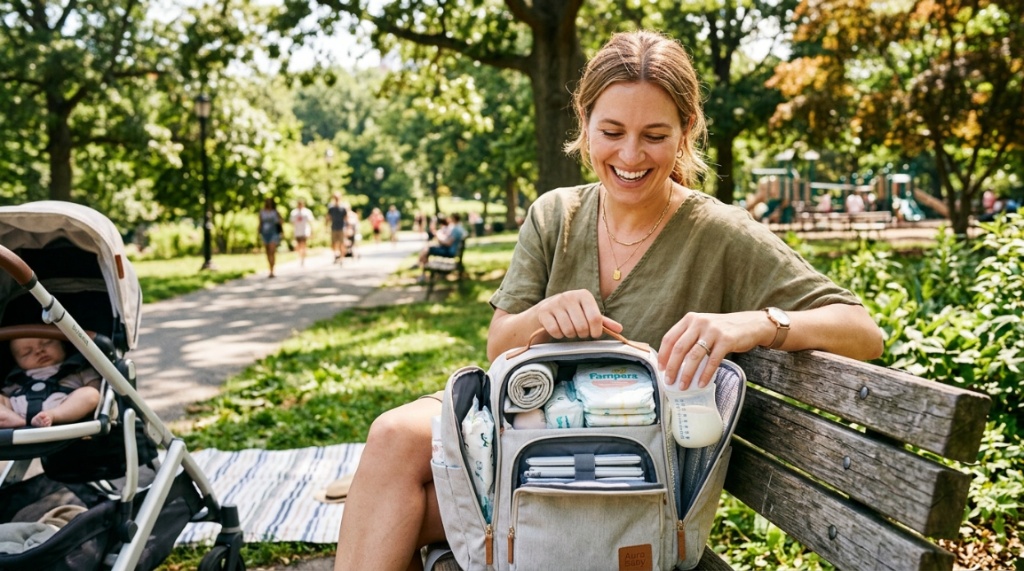
You’ve got the sunscreen, the sand toys, and the snacks. But the moment you try to fit a full-size diaper bag into your beach tote, you realize the military-grade organizer is not your friend today. The struggle is real: you need the essentials, not a week’s worth of gear. That’s where the mini diaper bag for beach days changes everything, offering a compact, water-resistant, and organized solution for quick trips to the shore. This guide cuts through the noise, showing you exactly what to look for, what to pack, and how to keep your sanity intact while sand gets everywhere.
Think about the last time you hauled a heavy bag across hot sand. Your shoulder hurt, you were sweating, and you still couldn’t find the pacifier. A mini bag solves this by forcing a minimalist mindset. It’s not about fitting less; it’s about carrying smarter. We’re going to dissect the anatomy of the perfect beach-ready mini diaper bag, from fabric technology to pocket layouts, ensuring your next family outing feels less like a logistics operation and more like a vacation.
What Makes a Mini Diaper Bag Different From a Regular One?
A mini diaper bag is typically 30-40% smaller than a standard model, focusing on core essentials rather than bulk. The key difference is the design philosophy: replace the “just in case” mindset with a “just in need” approach. You’re looking at a streamlined silhouette that fits under a stroller seat, inside a large tote, or even over your shoulder like a crossbody, leaving your hands free for chasing toddlers.
Size and Capacity: What Can You Actually Fit?
Most mini bags offer between 5 and 10 liters of internal space. This is enough for 3-4 diapers, a small wipes case, a changing pad, one outfit change, a bottle or sippy cup, and your phone and keys. You won’t fit a full pack of wipes, so you’ll need to travel light. The trade-off is significant physical relief, letting you move freely without looking like a pack mule.
Material is the Real Game Changer
Standard bags often use nylon or polyester, but for beach days, you need a higher denier count and a water-repellent coating. Look for fabrics like ripstop nylon or coated canvas. These resist sand abrasion and won’t soak through if a wet swimsuit brushes against them. A smooth lining, like a polyester taffeta, is much easier to wipe clean than a fuzzy interior.
Why Is a Compact Design Crucial for Beach Trips?
A compact design is crucial because it reduces the weight you’re carrying over unstable terrain and minimizes the surface area for sand to cling to. On a beach, every extra pound feels like ten. A smaller bag also prevents over-packing, which means less digging around for items. You’ll be more aware of what’s inside, reducing the risk of losing small items in the depths of a large tote.
The “Less is More” Approach
When you’re seated on a blanket, you don’t want a giant bag taking up shade space. A mini bag sits neatly beside you, taking up minimal room. It also makes it easier to keep an eye on your belongings. You can easily sling it over the back of a beach chair without it dragging on the sand, keeping your valuables safe and dry.
How to Avoid Overpacking with a Smaller Bag
Use the “Five-Item Rule”: diapers, wipes, sun protection, feeding, and one change of clothes. If it doesn’t fit into these categories, it doesn’t come. This forces you to be honest about your needs. For example, instead of a bulky bottle cooler, use a thermos with cold water or a disposable bottle liner.
Which Materials Resist Sand and Water Best?
Silicone, TPU-lined nylon, and waxed canvas are the top performers for beach use. They are inherently hydrophobic and do not hold onto sand particles. Avoid bags with heavy fabric weaves or cotton exteriors, as they will absorb water and trap sand in the weave, making them heavy and difficult to clean. Look for zippers that are either coated or made of plastic to avoid saltwater corrosion.
Comparing Fabric Options: Nylon vs. Polyester vs. Canvas
Nylon is the lightest and dries quickly, but it can degrade in direct sunlight over years. Polyester is slightly heavier but more UV resistant. Waxed canvas is heavy but boasts a classic aesthetic and excellent water resistance, though it requires more care. For a lively beach trip, a coated nylon is your best bet because of its lightness and low maintenance.
Why Water-Resistant Zippers Matter More Than You Think
The zipper is the first point of failure on any bag. When you lay the bag down, saltwater and sand can work their way into the track. YKK zippers with an AquaGuard coating resist water penetration and seal out sand particles. This prevents the “sandpaper effect” that makes cheap zippers grind and break after just a few trips.
How Do You Organize Essentials Inside a Mini Bag?
You organize a mini bag using a “Tetris strategy”—fitting the largest items first, then filling gaps. Place a rolled changing pad at the bottom, then insert bottle or sippy cup upright in an insulated pocket. Stack diapers in a flat vertical line like files. Use small, color-coded pouches for different categories: one for rash cream, one for snacks, and one for your own phone and keys.
Packing Cubes and Pouches: A Savvy Investment
You don’t need to buy expensive organizers. Repurposing small cosmetic bags works perfectly. Using separate pouches means you can remove the entire “wet suit” pouch to leave on the blanket while you walk to the water, keeping the main bag clean. This modular approach is the secret to not losing your mind in a small space.
The Best Way to Pack a Wet Swimsuit
Always bring a dedicated waterproof pouch for wet items. A wet swimsuit should never touch clean diapers. Use a silicone or plastic pouch that seals shut. When you’re done swimming, you can compress the air out of the pouch to save space, then toss it back into the bag.
Is a Crossbody or Backpack Style Better for the Beach?
For the beach, a crossbody style is better for active parents, while a backpack is better for those who already have their hands full. Crossbody bags distribute weight across the body and are impossible to pull off quickly, which is a bonus for security. Backpacks are easier on your shoulders over long walks but can be a hassle to take off and look through while holding a sandy toddler.
Pros and Cons of Crossbody Bags
- Pros: Hands-free, secure, weight distributed evenly, easy to swing around to access front pocket.
- Cons: Can feel lopsided if heavy, less space than a backpack, and the strap can slip off shoulders with a thin shirt.
Pros and Cons of Mini Backpacks
- Pros: Extremely comfortable, holds a bit more, can be hung on chairs, looks cute, and parents don’t have to worry about it sliding off.
- Cons: Must be removed to access contents, can trap heat against your back, and a child could kick it if wearing you.
When Should You Downsize to a Mini Bag?
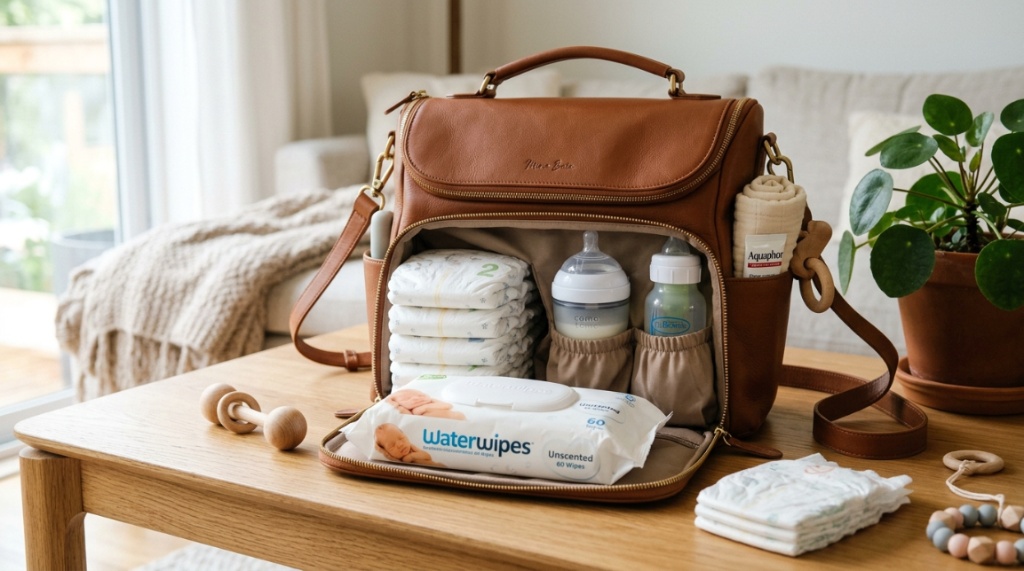
You should downsize to a mini bag when you are going to a close destination (under 30 minutes away), for a short duration (under 4 hours), or when the main purpose is water play. It is also ideal for older toddlers who are mostly potty-trained but still need emergency supplies. If you are going to a full-day beach party with a picnic setup, a mini bag is not sufficient—it’s best for a quick dip.
Signs You’re Overpacking for a Beach Outing
If you are carrying more than three toys, a full-size bottle of lotion, or a changing pad that doesn’t fold small, you are overpacking. Another sign is if you are bringing multiple outfits. One extra outfit is enough; you can let the baby be naked or wrap them in the changing pad. Remember, baby swim diapers take up practically zero room.
How to Clean and Maintain Your Mini Diaper Bag
To clean, start by removing all items and shaking the bag upside down to release sand. Use a handheld vacuum to suck up stubborn grains from the corners. For a deep clean, wipe the interior and exterior with a damp cloth and mild soap. Avoid tossing a bag with insulated lining into the washing machine, as it can break down the thermal layer.
Daily Sand Removal Routine
A simple shake and a rub-down with a dry microfiber cloth is often enough. For zippers, use a soft toothbrush to brush out the track. To keep the fabric water-repellent, apply a specialized spray like Nikwax for nylon after every third wash. This maintains the beading effect that keeps the bag light.
Drying and Storage Tips
Never store the bag damp. Mold and mildew can develop quickly in a hot, dark closet. Always air-dry the bag completely with the zippers open. If it has a rigid bottom, stuff it with a towel to help maintain its shape while drying, then store it in a cool, dry place away from direct sunlight to prevent color fading.
What Features Should You Look for in a Beach-Specific Design?
Look for an exterior clip or strap to attach a sand toy or a pacifier clip. A lanyard or key hook inside is essential to prevent your keys from sinking to the bottom. External bottle pockets are critical—they hold a warm bottle upright and keep your hands free. Fabric that is both water-repellent and easy to wipe is non-negotiable.
Hidden Pockets for Valuables
Beaches attract a certain crowd, and pickpockets are a nuisance. Look for a back pocket that sits against your body, or a secret pocket inside the main compartment that looks like a sanitary pad pouch. These are discreet places to slide your phone and cash, so you never have to lay your wallet on the sand.
Insulated Compartments: Are They Worth It?
Yes, a small insulated pouch inside the bag is worth its weight in gold. Even if it only holds two bottles, it protects them from the heat, preventing bacterial growth. Some models have a dedicated front pocket with a foil lining. If your bag lacks this, simply use a small insulated lunch bag inside the main compartment to serve the same purpose.
Can You Use a Mini Bag for Other Purposes?
Yes, a mini diaper bag serves triple duty as a travel daypack, a mom’s purse, and a day-trip organizer. Once your child graduates from diapers, the bag can become a kid’s activity pack, holding crayons, a notebook, and a snack. The durable, wipeable materials make it ideal for trips to the zoo, the park, or a long plane ride.
The Transition to a Toddler Day Kit
When your child is older, you can transition it into an Emergency Kit for your car. Stock it with a change of underwear, pants, a shirt, a first-aid mini kit, and a few non-perishable snacks. This way, you’re saving money and reducing waste, all while using a bag that’s compact enough to fit under the passenger seat.
Is a Mini Bag Only for a Specific Parent?
Absolutely not. A mini bag is perfect for minimalists, second-time parents who know exactly what they need, and dads who refuse to carry a large “diaper backpack”. It’s also great for grandparents who are watching a child for a few hours. The unisex, simple designs available on the market today mean there is a style for everyone, regardless of gender preferences.
Matching the Bag to Your Lifestyle
If you are a runner, look for a waist pack style that converts into a crossbody. If you are a surf dad, a waterproof dry-bag backpacks works well. For moms who love fashion, brands now offer vegan leather mini bags that look like designer purses but have the internal functionality of a diaper bag. The modern market truly has no barriers.
After considering all these factors, it’s crucial to compare specific models to see which one fits your needs best. I’ve found that a curated list of top performers helps break down the decision. To save you hours of scrolling, check out this detailed review of the best options on the market. You can find a comprehensive breakdown of popular models, pros and cons, and price points on this page featuring the mini diaper bag for beach days. It’s a great starting point for your research.
How Much Should You Spend on a Quality Mini Bag?
A good quality mini diaper bag costs between $40 and $80. Prices vary based on brand, material, and insulation quality. You can find a basic nylon model for $25, but it may lack water-resistant zippers and a quality changing pad. Conversely, high-end brands like Gucci or Burberry can cost $300+, but the functionality is the same as a $60 bag.
Evaluating Cost vs. Durability
Consider the “cost-per-use.” If you go to the beach 20 times a year, a $60 bag costs $3 per trip for the first year. That seems very reasonable. For longevity, inspect the stitching and stress points, particularly where the straps attach to the bag. You are looking for reinforced, bartack stitching that won’t tear after a few months of heavy use.
Top Tips for Packing a Mini Bag Efficiently
Roll your child’s outfit tightly instead of folding. Use the “bundle method” for the changing pad: roll the diaper, wipes, and ointment inside the pad so it’s all-in-one. This creates a single package you can grab in a second, Looking to accessorize for a night out once you pack up the baby gear? Read more about how Luxury Handbags Lose Value in Los Angeles, CA.
The “Step-by-Step” Packing Process
- First, insert the rolled changing pad, placed flat at the bottom of the bag.
- Second, stand up the bottle/sippy cup in the front insulated pocket.
- Third, stack diapers vertically against the back wall of the bag.
- Fourth, place the small pouches (snacks, rash cream) in front of the diapers.
- Fifth, tuck your phone and keys into the side secure pocket.
The Golden Rule of Main Compartments
Keep the center of the main compartment empty. This allows for compression. When you put the bag down, the contents settle into the corners, giving you more space for a spontaneous shell collection or a found toy. Avoid packing the bag to the brim; leave about 15% of space empty for this purpose.
Frequently Asked Questions
Can a mini diaper bag fit a standard changing pad?
Most mini bags include a compact changing pad that folds into a small square or roll. Standard-sized pads from other bags are usually too large. If you plan to use your own pad, ensure it measures around 20” x 15” when folded; otherwise, it won’t zip. You can also buy a disposable changing pad liner to save space.
Are mini diaper bags hygienic for storing food?
Yes, but only if you use separate pouches. The main compartment may have been in contact with a dirty diaper. So, do not place loose food directly inside the main compartment. Always use a dedicated, sealed snack pouch or silicone container to prevent cross-contamination.
What is the best way to wash a mini diaper bag?
Hand washing is always best. Use a gentle detergent and lukewarm water. Do not use a washing machine, as the agitator can damage the water-resistant coating and distort the shape. For stains, use a soft brush with a small amount of baking soda and water paste.
How many diapers can I carry in a mini diaper bag?
On average, you can carry 3 to 5 diapers. This is sufficient for a 4-hour outing. If your baby uses more than this, consider using swim diapers on the beach, which are reusable and do not retain wetness. This number also assumes you are practicing elimination communication or taking potty breaks.
Can a mini diaper bag be worn as a sling?
Many models come with a removable long strap that transforms a top-handle bag into a crossbody sling. This versatility is a major selling point for a beach scenario, as it allows you to wear it across your body, leaving your hands completely free.
Is it necessary to buy a bag with a changing pad included?
It’s highly recommended. When manufacturers include a pad, they specifically design it to fit the bag’s dimensions, ensuring it all packs neatly. Purchasing a bag without a pad risks buying a pad that is too bulky, defeating the purpose of a “mini” bag. Always check the product details on this.
Ultimately, the right mini diaper bag for beach days is the one that disappears into your routine. It’s the bag that lets you chase your toddler along the shoreline without feeling tied down. It’s about making memories, not managing equipment. Choose a bag that aligns with your personal style, fits your budget, and handles the harsh seaside environment with ease. Your back will thank you, and you’ll spend less time digging and more time playing. So grab your favorite mini bag, throw on some sunscreen, and enjoy the ocean breeze with your little one.
About Author