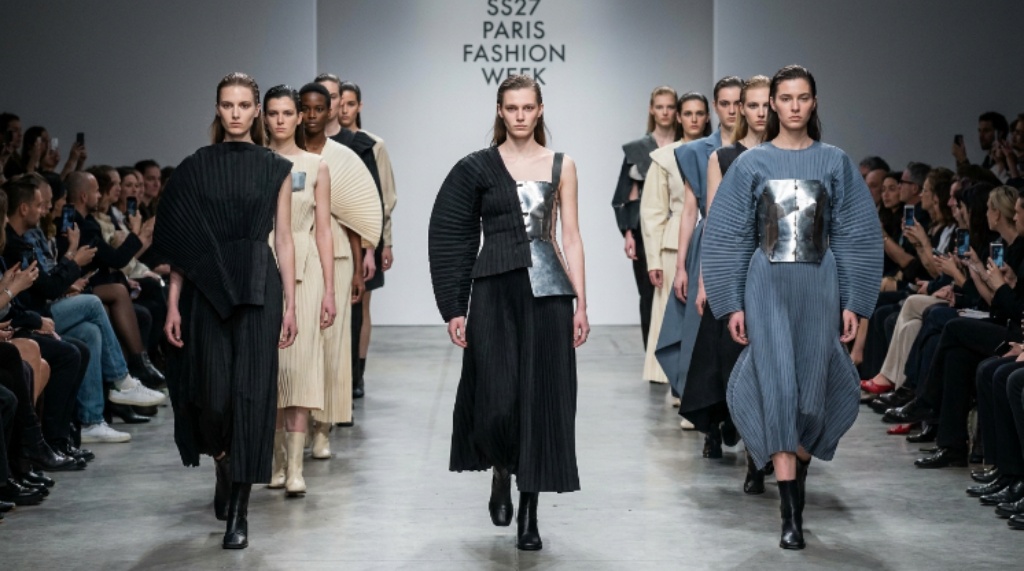

Chicago weather changes quickly, so clothing choices often fail without careful planning. According to the National Weather Service, temperatures can shift dramatically within a single day. Additionally, strong winds increase heat loss, making poor layering even more noticeable. Fashion lovers may admire Paris runway styles, yet practical layering always matters more during unpredictable conditions.
Many people assume adding extra clothing automatically keeps them comfortable throughout the day. However, improper fabric selection creates discomfort, trapped moisture, and unnecessary bulk. This guide explains common mistakes while offering practical solutions that improve comfort during every season. You will also learn simple strategies that work for changing temperatures.
Understanding Why Chicago Weather Challenges Every Layer
Chicago experiences frequent weather swings because of nearby Lake Michigan and changing air masses. Consequently, morning sunshine often becomes windy rain before afternoon arrives. These rapid shifts make clothing decisions much harder than expected. Choosing adaptable outfits becomes easier after reading these lightweight cover ups ideas for changing conditions.
Wind creates another major problem because it removes body heat faster than calm conditions. Therefore, even moderate temperatures can feel much colder outdoors. Thick clothing alone cannot solve this challenge without proper wind protection. Smart layering balances insulation with breathable outer protection.
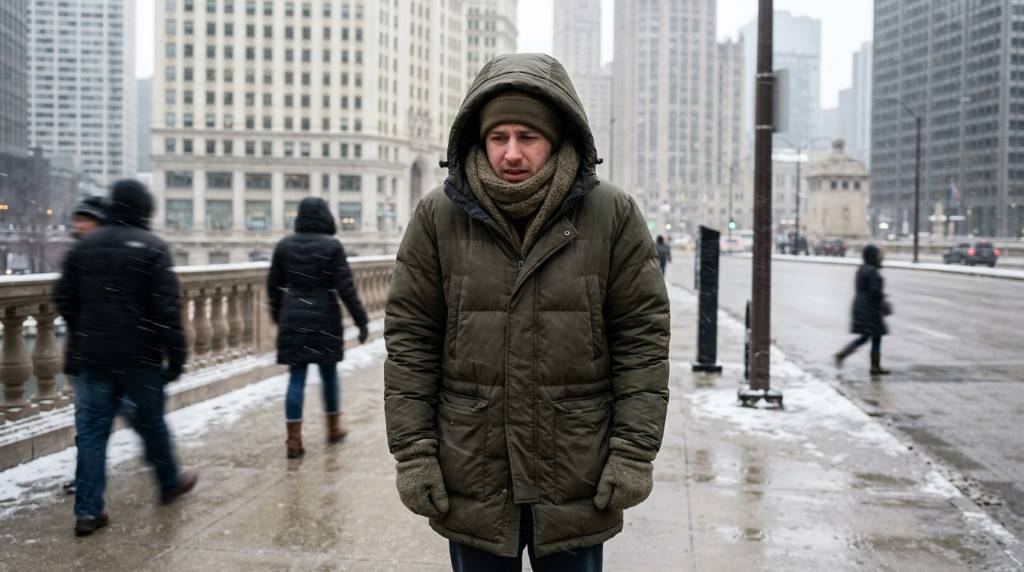
The Lake Effect Changes Everything
Lake Michigan influences nearby neighbourhoods with cooler breezes during warmer months. Meanwhile, winter winds become sharper as cold air crosses the water. These changes require flexible clothing instead of heavy single garments. Adaptability always beats excessive thickness.
Common Layering Mistakes That Reduce Comfort
Many people wear cotton as their first layer because it feels soft initially. Unfortunately, cotton absorbs sweat and stays damp for long periods. Wet clothing quickly lowers body temperature during windy conditions. Instead, follow these perfect clothing fit recommendations while selecting comfortable layers.
Others wear oversized jackets over bulky sweaters without considering movement or ventilation. As a result, indoor spaces become uncomfortable within minutes. Removing multiple heavy garments also becomes frustrating throughout busy days. Balanced layering creates greater comfort with less effort.
Ignoring Moisture Management
Body heat naturally produces moisture during walking, commuting, or daily activities. Therefore, breathable fabrics help maintain comfort throughout changing conditions. Synthetic performance materials and merino wool perform much better than standard cotton. Dry clothing keeps your body warmer for longer.
Choosing Only Thick Clothing
Many people believe thicker clothing automatically provides better protection against cold weather. However, trapped air between multiple layers insulates more effectively than one bulky garment. Several lightweight layers also improve flexibility during changing temperatures. This approach supports better daily comfort.
Building A Smarter Layering System
An effective layering system includes three simple components working together every day. Each layer performs one specific function instead of trying everything alone. You can also discover best office outfit combinations that adapt well between indoor and outdoor environments. Smart clothing choices reduce constant wardrobe adjustments.
The base layer manages moisture while keeping skin dry during movement. Next, the middle layer traps warm air for insulation without creating excess bulk. Finally, the outer layer blocks wind and light precipitation effectively. Every piece contributes to lasting comfort.
Base Layer Essentials
Select lightweight synthetic fabrics or merino wool for consistent moisture control. These materials dry quickly while maintaining warmth during cooler conditions. Proper base layers also reduce uncomfortable skin irritation. Comfort begins closest to your body.
Middle Layer Selection
Fleece jackets, lightweight insulated tops, and wool sweaters create reliable insulation. They trap warm air while allowing enough breathability for daily movement. Avoid extremely bulky options whenever possible. Moderate insulation performs better across varying temperatures.
Outer Layer Protection
Choose wind resistant and water resistant jackets with breathable construction whenever possible. Proper outerwear blocks harsh conditions without trapping excess moisture inside. Hooded designs offer additional protection during sudden weather changes. Practical features improve everyday performance.
Matching Fabrics With Weather Conditions
Fabric performance directly affects comfort during changing temperatures throughout the day. Consequently, material selection matters more than expensive brand names. Natural and technical fabrics both offer valuable benefits. Understanding each option helps you dress confidently.
- Merino wool provides warmth while controlling moisture naturally.
- Polyester performance fabrics dry quickly after physical activity.
- Fleece delivers lightweight insulation without excessive weight.
- Softshell jackets resist wind while maintaining flexibility.
- Water resistant shells protect against unexpected rain showers.
Avoid relying entirely on heavy cotton sweatshirts during colder months. Instead, combine performance fabrics according to expected weather conditions. Layer flexibility always supports better temperature control. Simple adjustments prevent unnecessary discomfort.
How Indoor Heating Creates Additional Problems
Many buildings maintain warm indoor temperatures throughout colder seasons. Consequently, excessive clothing quickly causes overheating after entering offices or shops. Breathable layers solve this problem without sacrificing outdoor warmth. Easy removal improves comfort during busy schedules.
Plan clothing that adapts smoothly between outdoor exposure and indoor environments. Lightweight layers simplify temperature adjustments throughout the day. Practical clothing reduces unnecessary sweating before returning outside. Better planning improves overall comfort.
Easy Daily Layering Checklist
Following a simple routine prevents common mistakes before leaving home each morning. Small adjustments often produce noticeable improvements throughout changing conditions. Consistency also helps you build better dressing habits. Preparation always saves time later.
- Check hourly weather instead of daily forecasts.
- Start with a moisture wicking base layer.
- Add moderate insulation instead of heavy clothing.
- Carry a lightweight wind resistant outer jacket.
- Wear breathable accessories when temperatures fluctuate.
- Adjust layers before becoming too warm.
Conclusion
Successful layering depends on smart fabric choices rather than simply wearing more clothing. Flexible combinations manage moisture, insulation, and wind protection together throughout changing conditions. Small improvements create noticeable comfort during every commute or outdoor activity. Start updating your layering strategy today and enjoy more comfortable days regardless of changing weather.
Frequently Asked Questions
Why does my layering feel uncomfortable after walking?
Your clothing probably traps moisture because the base layer cannot move sweat away efficiently.
Which base layer works best during cold weather?
Merino wool or synthetic performance fabrics usually provide the best comfort.
Should I wear one thick jacket instead of several layers?
No, several lighter layers generally regulate temperature much more effectively.
Why does wind make me feel colder?
Wind removes body heat quickly, making temperatures feel much lower than actual readings.
Can I wear cotton as my first layer?
Cotton absorbs moisture and usually leaves you feeling colder during changing weather.
About Author