
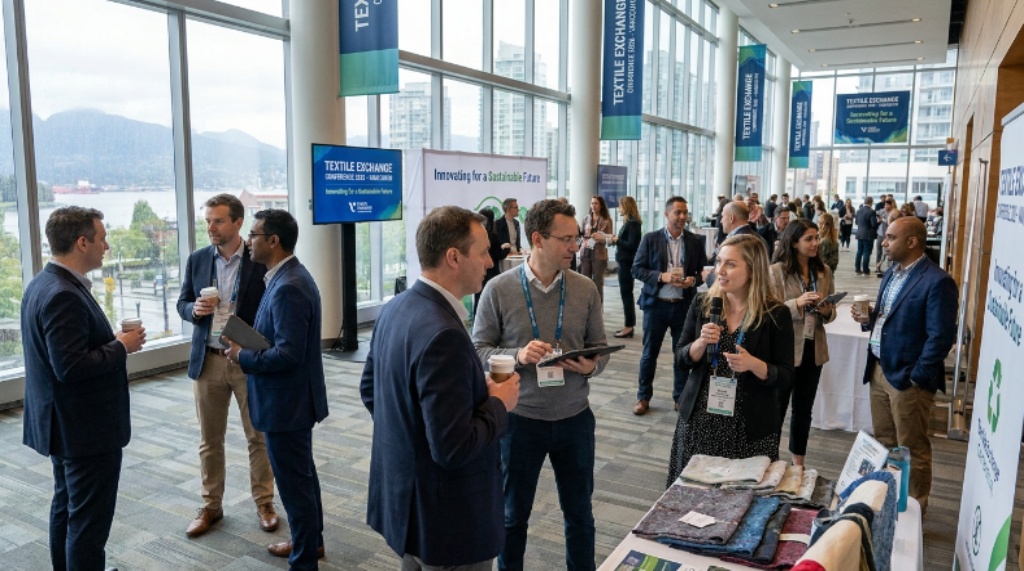
The fashion and textile industry is facing a turning point. Climate pressures, supply chain disruptions, and shifting consumer expectations are reshaping how clothes are made, sourced, and reused. The Textile Exchange Conference 2026 brings the people driving that change into one room. It takes place from October 12 to 16, 2026, at the Vancouver Convention Center in Vancouver, Canada.
This year’s theme is The Implementation Era. It signals a shift in tone. After years of setting goals and making commitments, the industry is now being asked to deliver results. Therefore, the conference is less about big promises and more about practical steps. Sustainability executives, material producers, and supply chain practitioners will spend three days focused on what actually works, and how to scale it.
If you work anywhere in fashion, textiles, or apparel, this event deserves a place on your calendar.
What Is the Textile Exchange Conference?
Textile Exchange is a global non-profit organisation. Its mission centres on transforming how the fashion and textile industry produces and sources materials. The organisation works across cotton, wool, leather, down, manmade cellulosics, and synthetic fibres such as polyester and nylon.
Each year, Textile Exchange brings its global community together for a major conference. This event has become one of the most important gatherings for anyone working on responsible materials, supply chain transparency, and climate action within fashion. Brands, manufacturers, NGOs, certifiers, and material innovators all attend.
The conference is not a trade show in the traditional sense. Instead, it functions as a space for collective learning. Attendees come to exchange ideas, challenge assumptions, and build the partnerships needed to move sustainability efforts from paper to practice.
Dates, Venue and Host City
The Textile Exchange Conference 2026 runs from Monday, October 12, to Friday, October 16, 2026. The venue is the Vancouver Convention Center, located in Vancouver, British Columbia, Canada.
Vancouver is a fitting host city. It is known for its strong environmental policies, access to nature, and forward-thinking approach to sustainability. Additionally, the city offers excellent international transport links, making it accessible for the global audience that Textile Exchange typically attracts.
The conference acknowledges that it takes place on the unceded territories of the Musqueam, Squamish, and Tsleil-Waututh Nations. This acknowledgement reflects a broader theme running through the event: respect for land, resources, and the communities connected to them.
Tickets for the conference are available through the official Textile Exchange website. Given the scale of the event and its global reputation, early registration is strongly advised.
The Implementation Era: What Does It Mean?
The theme of this year’s conference, The Implementation Era, is more than a catchy title. It represents a genuine shift in how the industry talks about sustainability.
For years, fashion brands have announced ambitious targets. They have pledged to use more recycled materials, reduce emissions, and improve supply chain transparency. However, turning those pledges into measurable, on-the-ground change has often proven far harder than making the original promise.
The 2026 conference addresses this gap directly. The agenda focuses on scaling what already works. Rather than introducing entirely new frameworks, the event highlights proven approaches and asks how they can be expanded across more businesses, supply systems, and landscapes.
Additionally, the conference is guided by the launch of new action pathways from Textile Exchange. These pathways support the adoption of preferred cropping systems, recycling processes, and animal material production systems. In simple terms, they offer practical routes for companies to follow when sourcing more responsible materials. The goal is to translate good intentions into informed decisions and tangible progress.
Who Should Attend?
The Textile Exchange Conference attracts a wide range of professionals. However, a few groups will find particular value in attending the 2026 edition.
Sustainability executives and managers will find sessions directly relevant to their day-to-day decision-making. The conference focuses on practical implementation, which means attendees leave with frameworks they can apply, not just ideas to think about.
Sourcing and procurement professionals will benefit from direct access to material producers and innovators. Many of the relationships formed at this conference translate into new sourcing partnerships in the months that follow.
Material and fibre innovators use the event to showcase new technologies and production methods. The conference provides a platform to demonstrate solutions to an audience actively looking for them.
NGOs, certifiers, and civil society organisations also play an important role. Their presence ensures that conversations remain grounded in accountability, transparency, and real-world impact, rather than marketing language alone.
Finally, brand leaders and executives attend to understand where the industry is heading. Even those not directly involved in sourcing decisions benefit from understanding how supply chains are evolving and what that means for their business strategy.
What Topics Will Be Covered?
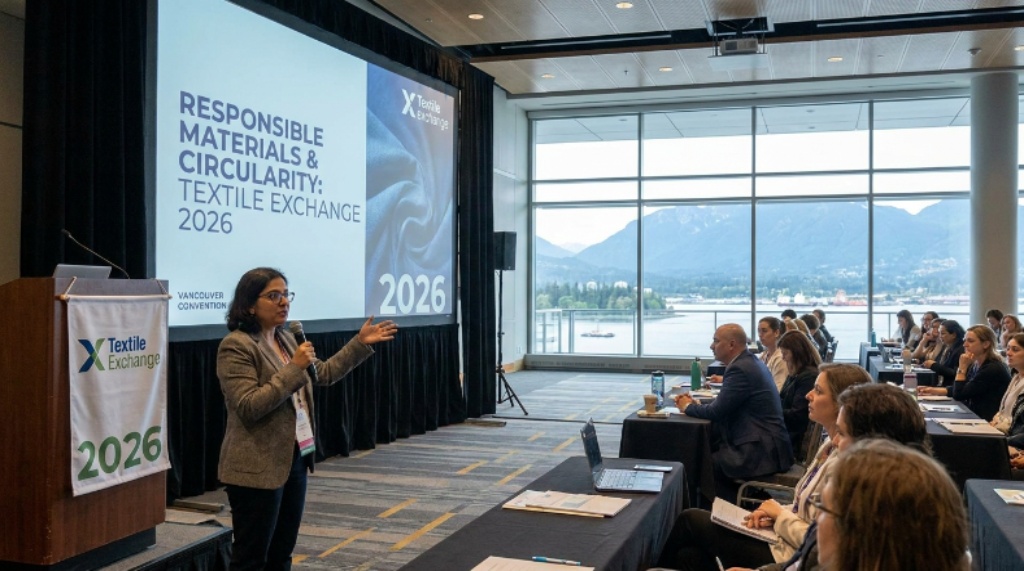
While the full agenda continues to develop, the overarching theme of scaling proven solutions shapes every part of the programme. Several broad topic areas are expected to feature prominently.
Preferred materials and cropping systems form a central theme. This includes discussions on how to expand the use of materials that have a lower environmental impact, while supporting the farmers and producers who grow them.
Recycling and circularity are also likely to feature heavily. The industry continues to grapple with how to scale textile recycling beyond pilot projects. Sessions are expected to explore the infrastructure, technology, and partnerships needed to make circular fashion a practical reality rather than a niche offering.
Animal material production systems represent another key area. Textile Exchange’s work spans wool, down, leather, and other animal-derived materials. Sessions in this space typically explore certification, traceability, and animal welfare alongside environmental considerations.
Supply chain transparency remains a constant thread throughout Textile Exchange events. As regulations around the world increasingly require companies to disclose more about their sourcing practices, sessions on traceability tools and reporting frameworks are likely to draw significant interest.
Climate and nature commitments also feature prominently. With global climate targets becoming more urgent, the conference is expected to address how the fashion industry can align its material strategies with broader climate goals.
Networking and Collaboration Opportunities
One of the most valuable aspects of the Textile Exchange Conference is the calibre of people in the room. Attendees come from across the globe, representing brands, manufacturers, NGOs, and material innovators from regions including North America, Europe, and Asia.
This diversity creates rich opportunities for collaboration. Many of the partnerships announced in the fashion industry’s sustainability space can trace their origins back to conversations that began at this event. Therefore, attendees who arrive with clear goals for who they want to meet often get the most value from their time in Vancouver.
The conference format typically includes structured networking sessions alongside more informal opportunities. Coffee breaks, meal times, and evening events all provide space for spontaneous conversations. Additionally, breakout sessions and roundtable discussions allow smaller groups to dive deeper into specific challenges, often leading to more focused follow-up conversations after the event.
Why This Conference Matters for Fashion’s Future
The fashion industry is one of the most resource-intensive sectors in the global economy. It relies heavily on agricultural systems, manufacturing processes, and global supply chains that stretch across continents. Therefore, the decisions made by brands, producers, and policymakers in this space have an outsized impact on climate, land use, and communities.
The Textile Exchange Conference 2026 matters because it brings the people responsible for these decisions into direct contact with each other. However, its real value lies in its focus on implementation rather than aspiration. As external pressures on the industry continue to grow, from regulatory requirements to consumer expectations, organisations need practical tools and proven approaches more than ever.
Additionally, the conference offers a rare opportunity to see the bigger picture. Individual companies often work in isolation on their own sustainability strategies. Attending an event of this scale allows professionals to understand how their efforts fit into a larger, industry-wide movement toward more responsible material production.
How to Prepare for the Conference
Attending a multi-day, industry-focused conference works best with some preparation. Here are some practical steps to consider before heading to Vancouver:
- Register early through the official Textile Exchange website to secure your ticket and access early-bird pricing if available.
- Review the published agenda once it becomes available and identify the sessions most relevant to your role.
- Set clear goals for the networking opportunities you want to pursue, including specific organisations or individuals you hope to meet.
- Book accommodation in Vancouver as early as possible, since major conferences can significantly increase demand for hotel rooms during the event dates.
- Bring materials, samples, or case studies if you plan to discuss your organisation’s work with other attendees.
- Familiarise yourself with the conference theme, The Implementation Era, so you can frame your own questions and contributions around scaling solutions rather than introducing new ideas.
- Plan time to explore Vancouver itself. The city’s strong sustainability culture often complements the themes discussed inside the venue.
Conclusion
The Textile Exchange Conference 2026 represents a pivotal moment for the fashion and textile industry. Taking place from October 12 to 16 at the Vancouver Convention Center, the event brings together sustainability leaders, material producers, brands, and innovators under the theme The Implementation Era. Rather than focusing on new pledges, this year’s conference centres on scaling proven solutions across preferred materials, recycling systems, animal material production, and supply chain transparency. For professionals working anywhere in fashion, textiles, or apparel, the event offers a rare combination of practical learning, high-value networking, and a clear view of where the industry is headed. With registration open through the official Textile Exchange website, now is the time to plan your attendance and be part of the conversations shaping fashion’s next big move.
Frequently Asked Questions (FAQs)
When and where does the Textile Exchange Conference 2026 take place?
The conference runs from October 12 to 16, 2026, at the Vancouver Convention Center in Vancouver, British Columbia, Canada. It takes place on the unceded territories of the Musqueam, Squamish, and Tsleil-Waututh Nations.
What is the theme of the 2026 conference?
The theme is The Implementation Era. It focuses on scaling proven sustainability solutions across businesses, supply systems, and landscapes, rather than introducing new pledges or commitments.
Who should attend the Textile Exchange Conference?
The event is designed for sustainability executives, sourcing and procurement professionals, material and fibre innovators, NGOs, certifiers, and brand leaders across the fashion, textile, and apparel industry. Anyone involved in responsible material sourcing will find value in attending.
How do I register for the Textile Exchange Conference 2026?
Tickets are available through the official Textile Exchange website. Early registration is recommended due to the scale and global reputation of the event, which often leads to high demand for tickets and accommodation in the host city.
What topics will be covered at the 2026 conference?
Expected topics include preferred materials and cropping systems, recycling and circularity, animal material production systems, supply chain transparency, and climate and nature commitments. The agenda is guided by Textile Exchange’s new action pathways for sourcing more responsible materials.
Discover the Location on Google Maps:
About Author