

High rise denim can sit too low in Austin because the jeans, body proportions, or fabric do not match correctly. Austin’s heat can also make tight waistbands feel lower, especially during long summer days. In July, Austin averaged 95.9°F for daytime highs, with 29 days reaching at least 90°F. Therefore, choosing the right rise requires more than checking your usual waist size or a zara denim size chart.
Key Takeaways
- High rise jeans can sit low when the front rise does not match your torso.
- Waist size alone cannot guarantee the correct rise or waistband position.
- Stretch denim may relax and create a lower, looser feel after wearing.
- Curved hips, fuller seats, and longer torsos can change how jeans sit.
- Austin’s heat can increase discomfort and make waistband movement more noticeable.
- Measure your body and the jeans before deciding that the size is wrong.
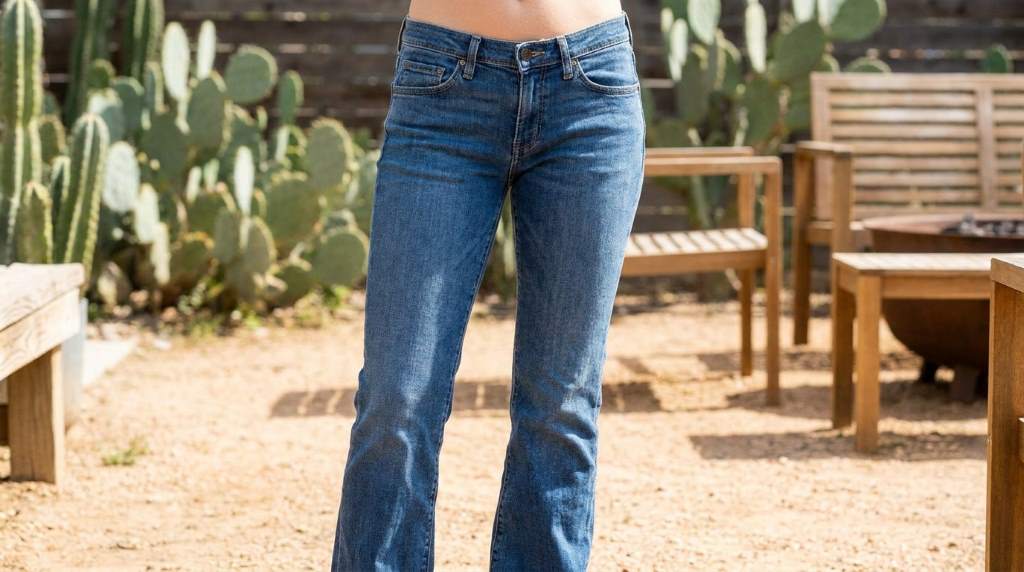
The Real Reason High Rise Jeans Sit Lower Than Expected
The most common problem involves the garment’s actual rise measurement, not simply its labeled waist size. High rise describes waistband placement, but brands define that placement differently. Consequently, two jeans with identical waist labels can sit at noticeably different heights.
The front rise measures from the crotch seam toward the top of the waistband. Meanwhile, the back rise follows the same path across the seat. If either measurement falls short for your body, the waistband may settle below your natural waist.
Your torso length also matters more than many shoppers realize. A longer torso needs sufficient rise length to reach the intended waist position. Otherwise, even properly sized jeans can feel surprisingly low.
Body shape creates another variable because denim must travel over several curves before reaching the waistband. Fuller hips or a prominent seat can pull fabric downward from the waist. Therefore, a jeans pattern can fit your waist while still sitting too low.
How Austin’s Climate Can Change Your Denim Experience
Austin’s climate does not physically shorten the rise, but it can change how denim feels throughout the day. Hot weather increases perspiration, movement, and discomfort around fitted waistbands. Those factors can make slipping or pressure feel more obvious.
For example, rigid denim may feel secure when you first put it on. However, repeated movement can expose a rise that barely reaches your preferred waistline. Before blaming the size, compare the garment’s rise with your own measurements.
Layering also affects how high rise jeans feel during Austin’s warmer months. Bulky tops tucked underneath can create pressure around the waistband and encourage movement. Instead, try lightweight tops when testing your denim fit.
If you frequently wear denim jackets with high rise jeans, consider these jean jacket wearing tips for balanced layering. A cleaner upper layer can reveal whether the jeans actually move downward.
Heat can also make waistband friction more noticeable during walking, commuting, or outdoor activities. Therefore, a pair that feels acceptable indoors may become irritating outside. Test important denim purchases under realistic conditions before keeping them.
Check Your Body Measurements Before Changing Sizes
Many shoppers immediately size down when high rise jeans sit too low. That approach often creates a tighter waistband without solving the rise problem. Instead, measure your natural waist, fullest hip, and preferred rise position.
Start by standing naturally without pulling your stomach inward. Wrap a flexible measuring tape around your preferred waistband location. Keep the tape level and snug, but avoid compressing your body.
Next, measure your fullest hip area while keeping both feet together. Record that number separately because hip fit strongly influences how jeans travel upward. Then compare those measurements against the brand’s garment measurements.
Finally, measure your preferred rise from your crotch point to your desired waistband location. Use a flexible tape and follow your body’s natural contour. This measurement provides more useful information than simply choosing another waist size.
If your waist matches the size chart but your rise does not, sizing down may worsen the problem. You may need a different cut, rise measurement, or pattern instead. This distinction saves money and prevents repeated fitting frustration.
Signs Your Rise Is Too Short
- The waistband repeatedly drops below your intended waist.
- You feel pulling across the crotch when sitting or bending.
- The back waistband gaps while the front feels unusually low.
- You constantly pull the jeans upward during normal movement.
- The waistband feels tight even though it never reaches your waist.
These signs usually point toward proportion problems rather than a simple waist-size problem. Pay particular attention when several symptoms appear together. A different rise can solve the issue more effectively than a smaller size.
Fabric Stretch Can Make High Rise Denim Feel Lower
Stretch content changes denim behavior after several hours of wear. Cotton blends containing elastane can relax around the waist, hips, and seat. As the fabric loosens, the waistband may appear to settle lower.
Rigid denim behaves differently because it initially holds its shape more firmly. However, rigid fabric can still conform to your body through repeated wear. Therefore, neither rigid nor stretch denim guarantees a consistently high waistband.
Fabric weight also affects perceived stability. Lightweight denim may feel comfortable but provide less structure around the waist. Heavier denim can maintain a stronger silhouette, although it may feel warmer in Austin.
Before buying, check the fiber composition and fabric weight when available. Then consider how much stretch you actually need for daily movement. More stretch does not automatically mean a better high rise fit.
Wash and drying habits can also change denim dimensions over time. Hot washing or high dryer temperatures may cause shrinkage, while repeated wear can relax certain areas. Follow the garment’s care instructions and avoid unnecessary heat.
Why Waist Size Alone Cannot Fix a Low High Rise
Waist size describes circumference, while rise describes vertical distance. These measurements solve different fitting problems. Consequently, changing one cannot always correct the other.
Suppose your waist measurement matches perfectly, but the front rise measures too short. A smaller size will reduce the waistband circumference while shortening the rise further. That combination can increase pressure without improving coverage.
Instead, try the same waist size in a longer rise. You can also compare a curvier cut if your hips require additional room. This approach keeps the waistband comfortable while improving vertical coverage.
When comparing pairs, lay each garment flat and measure from the crotch seam upward. Compare those measurements rather than trusting terms such as ultra high or super high. Marketing labels vary considerably between brands and collections.
For styling, footwear can also change how balanced a high rise silhouette appears. These shoes for straight leg jeans can help create proportion without changing the denim itself. However, styling should complement proper fit rather than compensate for poor fit.
How Body Shape Changes High Rise Denim Placement
High rise denim does not sit identically on every body because patterns accommodate different proportions. A longer torso may require additional front and back rise. A fuller seat may require more room through the hip and rear rise.
People with narrower waists and fuller hips often encounter waistband gaps after achieving enough hip room. In that situation, a contoured waistband can provide better support. Curved waistbands follow the body’s shape more naturally than straight ones.
A straighter waist-to-hip ratio can create a different challenge. Excess room around the waistband may encourage the jeans to shift downward. A closer waist fit can help, provided the rise remains sufficiently long.
Your posture can influence the result as well. Sitting, bending, and walking redistribute fabric around the abdomen and seat. Always test high rise jeans through several movements before judging their fit.
Use the Sit, Walk, Bend Test
- Stand naturally and check the waistband’s starting position.
- Sit for several minutes and watch for waistband movement.
- Bend forward and check for crotch pulling or exposure.
- Walk normally and see whether the waistband gradually drops.
- Raise your arms and check whether the jeans remain anchored.
A properly fitting pair should move with you without requiring constant adjustment. Minor movement remains normal because denim is not rigid body armor. Frequent pulling, however, signals a meaningful fit problem.
How to Choose a High Rise That Actually Stays High
Start with measurements instead of the number printed on your existing jeans. Measure your waist, hips, and preferred rise position before comparing different brands. This creates a reliable baseline for shopping.
Next, prioritize the garment’s actual rise measurement when the manufacturer provides it. Compare similar measurements across several styles rather than relying on marketing terminology. A measurable rise offers much stronger evidence than a label alone.
Consider your daily environment before selecting fabric weight. Austin’s warm climate can make heavy denim uncomfortable during extended outdoor wear. Lighter fabrics may work better when they still provide enough structure.
Also consider what you normally wear with your jeans. A tucked shirt may require more waistband stability than an untucked top. If you prefer a tucked silhouette, prioritize a secure waist and sufficient rise.
If you want a classic high waist silhouette, study how high waisted jeans work with your proportions. The goal involves consistent waistband placement, not simply choosing the highest advertised rise.
Finally, test denim later in the day if possible. Your body and clothing layers may feel different after hours of normal activity. A realistic fitting session often reveals problems that a quick dressing-room check misses.
Simple Fixes When Your Current Jeans Sit Too Low
You do not always need to replace a pair immediately. First, check whether the waistband slips because the waist feels loose. If so, a small alteration may solve the problem.
A tailor can sometimes adjust the waistband or remove excess fabric from the center back. However, alterations cannot create substantial additional rise when the pattern lacks length. Discuss the garment’s construction before paying for modifications.
You can also use a narrower belt when the waistband needs mild stabilization. Avoid cinching excessively because that can create bunching and discomfort. The belt should secure the jeans without replacing proper sizing.
For significant rise problems, replacement usually makes more sense. Choose a different cut with a longer front rise or more suitable proportions. Spending more on the correct pattern often costs less than repeated alterations.
When High Rise Denim Is Actually the Wrong Cut
Sometimes the problem has nothing to do with sizing or fabric. The garment’s pattern simply does not match your proportions. Recognizing that difference prevents endless attempts to force an unsuitable pair.
Try a curvy cut when your hips require more room but your waist remains relatively narrow. Consider a longer rise when the waistband consistently stops below your preferred position. Choose structured denim when stretch fabric repeatedly loses stability.
You may also prefer a mid rise if every high rise style creates pressure or awkward bunching. Denim should support your movement rather than dictate how you stand or sit. The best rise is the one that works naturally with your body.
Most importantly, judge fit by comfort, coverage, movement, and stability together. No single measurement tells the entire story. A well-fitting pair should perform comfortably throughout your normal day.
Conclusion: Get the Rise Right Before Blaming the Size
High rise denim sits too low when the garment’s rise, body proportions, fabric behavior, or waistband fit do not align. Austin’s heat can amplify discomfort, but it usually does not create the underlying fit problem. The solution starts with measuring your body and the actual jeans.
Before buying another size, compare the front rise, back rise, waist, hips, and fabric composition. Then test the jeans while sitting, walking, bending, and wearing your usual layers. If the rise remains too short, choose another cut rather than forcing the wrong size.
Ready to find denim that actually stays where you want it? Measure your proportions first, compare garment measurements, and choose the rise that matches your body.
Frequently Asked Questions
Why do my high rise jeans keep falling down?
Your jeans may have a loose waist, insufficient rise, or a pattern that does not match your proportions.
Can sizing down make high rise jeans sit higher?
No, sizing down usually tightens the waist without adding the vertical rise your body needs.
Does stretch denim make high rise jeans lower?
Yes, stretch fabric can relax during wear and allow the waistband to settle lower.
Should high rise jeans reach my natural waist?
They should reach your intended waist position, which may differ from your narrowest natural waist.
Can a tailor fix jeans that sit too low?
A tailor can adjust some waist issues, but major rise shortages usually require a different pattern.
About Author