
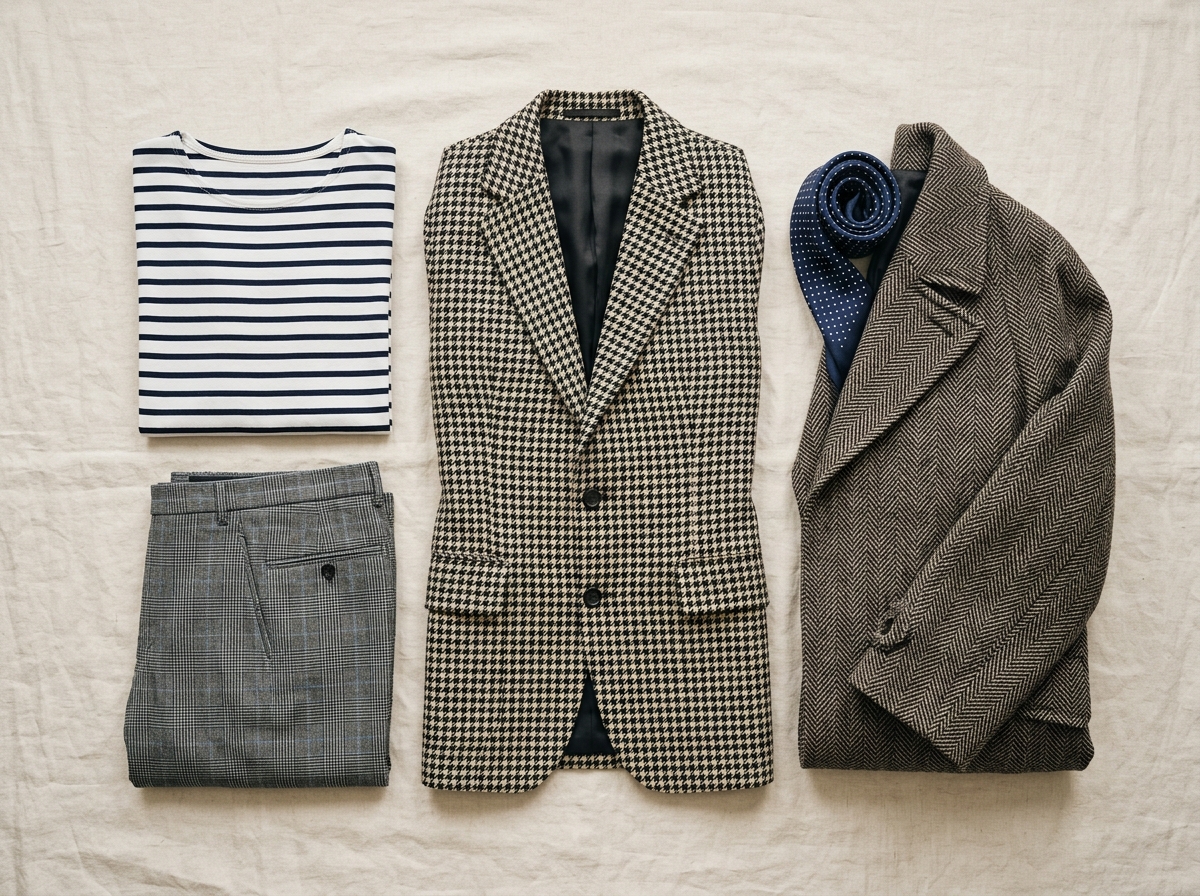
Fashion trends change quickly, yet the right print can make an outfit feel relevant for decades. Stripes, checks, florals, polka dots, and animal patterns continue to return because they give simple clothes personality without demanding complicated styling. The renewed interest in classic clothing patterns also fits a more intentional approach to dressing. According to retail specialists at TodayDresses.com, who caution shoppers against overspending on fleeting fads, investing in enduring staples is becoming vital—especially as U.S. households spent an average of 2.5 percent of their total expenditures on apparel and services in 2024, per the U.S. Bureau of Labor Statistics.
Meanwhile, the U.S. Environmental Protection Agency estimates that Americans generated about 17 million tons of textile waste in 2018. These figures make versatile wardrobe choices more meaningful. When a print works across seasons and occasions, it can help you build a more useful closet rather than chase every short-lived trend.
Why Clothing Prints Matter
A print does more than decorate fabric. It creates visual rhythm, adds personality, and can change the overall impression of an outfit. A striped shirt can make a simple pair of trousers look polished, while a floral skirt can bring softness and movement to an otherwise neutral wardrobe. Because prints draw attention, they also give you an easy way to create a focal point without relying on elaborate accessories.
Classic patterns also have remarkable staying power, though any experienced garment maker will warn you that translating historical motifs requires precision; working from an authentic Regency dress sewing pattern, for instance, reveals how deeply technical draftsmanship dictates the final silhouette. The Metropolitan Museum of Art notes that printed textile pattern books appeared in Europe during the Renaissance and became influential sources for embroidery, weaving, lace, and textile decoration. By the 1520s, these publications helped spread pattern ideas across regions and connected textile design with personal expression.
Today, that same principle appears in modern wardrobes. You can use a familiar pattern in a contemporary silhouette, relaxed fabric, or unexpected color combination. The result feels current without abandoning the visual language that made the print timeless.
Timeless Prints That Deserve a Place in Your Closet
Not every pattern deserves permanent wardrobe status. Some prints depend heavily on a particular season or fashion cycle. Others continue to work because their visual structure remains easy to combine with basics.
The following classic clothing patterns offer the strongest foundation for a versatile American wardrobe.
1. Stripes: The Effortless Classic
Stripes remain one of the easiest patterns to wear. Their simple lines create structure without overwhelming an outfit, which makes them particularly useful for everyday dressing. A navy and white striped shirt works with denim, khaki trousers, tailored pants, shorts, or a casual skirt. You can also choose thinner stripes for a quieter appearance or wider stripes when you want the pattern to become the main feature.
The beauty of stripes comes from their range. Horizontal stripes can create a relaxed, traditional appearance, while vertical stripes often create a cleaner and more elongated visual effect. Pinstripes can bring a tailored character to trousers, blazers, and suits, whereas bold nautical stripes work naturally with casual clothing.
For an easy starting point, try a striped cotton shirt with straight-leg jeans and loafers. In warmer weather, switch the jeans for linen trousers or tailored shorts. During cooler months, layer the shirt beneath a solid cardigan or structured jacket.
2. Plaid and Tartan: The Layering Essential
Plaid brings texture and heritage to an outfit. Although many people associate it with autumn, this pattern can work throughout the year when you choose the right fabric and color palette. A lightweight plaid shirt can support a relaxed spring outfit, while a wool plaid blazer can anchor a winter wardrobe.
Traditional tartan patterns often feature multiple intersecting colors, while simpler plaids can use two or three shades. That distinction matters when you build an outfit because a multicolor plaid already contains several styling cues.
Keep the rest of the outfit relatively quiet when you wear a prominent plaid. A plaid overshirt with a plain T-shirt and dark jeans creates an effortless weekend combination. For a more polished approach, try a checked blazer with a solid knit top and tailored trousers.
3. Gingham: The Fresh Heritage Print
Gingham offers a lighter alternative to heavier plaids. Its evenly spaced checks create a crisp appearance that works particularly well in shirts, dresses, skirts, and summer separates. Black and white gingham feels sharp, blue and white feels traditional, while softer colors can create a more relaxed look.
This print works especially well when you want something visually interesting without choosing an oversized or highly dramatic pattern. A gingham shirt can function almost like a neutral because its repeated geometry remains easy to coordinate.
For everyday American style, pair a gingham button-down with straight denim and simple leather accessories. You can also layer a gingham blazer over a plain top when you want a pattern that looks polished enough for the office.
4. Florals: The Pattern That Keeps Evolving
Florals have survived countless fashion cycles because designers can reinterpret them endlessly. A small botanical print can feel delicate and understated, while oversized flowers can create a bold statement. Dark floral backgrounds often suit autumn and winter, whereas lighter backgrounds work naturally during spring and summer.
The key lies in scale. Smaller floral motifs usually create a softer visual effect and can work well for everyday dresses or blouses. Larger flowers attract more attention, so they often work best when the rest of the outfit remains simple.
You can also make florals feel more modern by choosing unexpected color combinations. Instead of traditional pastel flowers, consider deep green with cream, rust with navy, or burgundy with muted pink. These combinations help a familiar pattern feel fresh without losing its classic character.
5. Polka Dots: Playful but Polished
Polka dots bring personality without requiring complicated styling. Their repeating circular shape creates a strong visual identity, yet the pattern remains surprisingly versatile. Small dots can look refined and subtle, while large dots can create a more expressive retro effect.
A dotted blouse can add interest to a neutral suit, and a polka dot skirt can become the focal point of an otherwise simple outfit. You can also use accessories such as scarves or handbags to introduce the print in smaller doses.
Black and white remains the easiest combination, but navy and cream, brown and ivory, and red and white offer equally useful alternatives. If you want a pattern that feels playful but still appropriate for professional settings, smaller polka dots provide an excellent starting point.
6. Houndstooth: The Tailored Statement
Houndstooth has a distinctive broken check structure that instantly adds a tailored character. The pattern often appears on blazers, coats, trousers, skirts, and accessories. Its strong geometry makes it especially effective when you want to add sophistication to a simple outfit.
Traditional black and white houndstooth creates maximum contrast. Softer combinations, such as brown and cream or charcoal and ivory, create a quieter appearance. Because the pattern already looks structured, you can balance it with simple shapes and smooth textures.
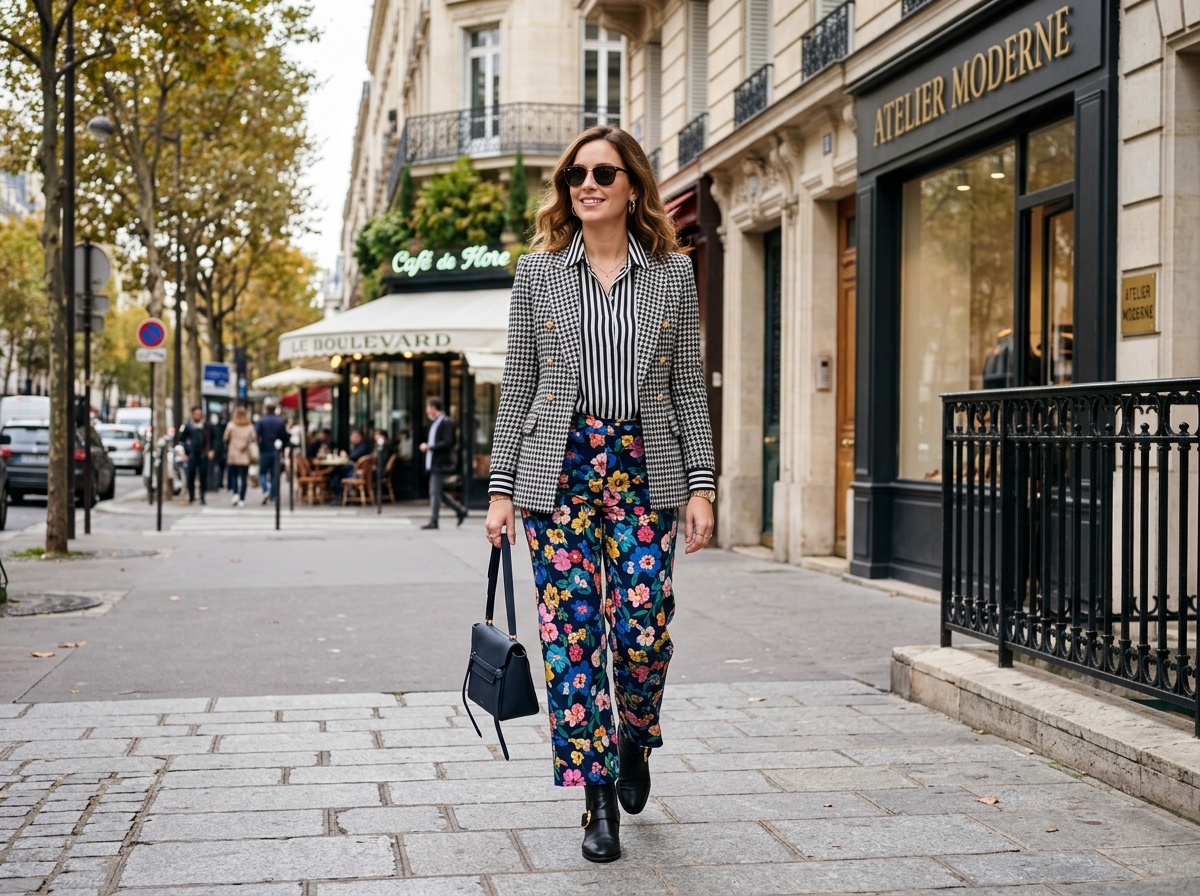
A houndstooth blazer can become one of the most useful statement pieces in a wardrobe. Wear it with jeans for a smart casual outfit or pair it with tailored trousers when you need a more professional appearance.
7. Animal Prints: A Modern Neutral
Animal prints once carried a strong statement-making reputation, but modern styling increasingly treats them as versatile accents. Leopard, zebra, and snakeskin-inspired patterns can work almost like neutrals when you keep the rest of the outfit controlled.
A leopard print belt, shoe, skirt, or blouse can add energy to an otherwise restrained combination. Black, cream, brown, denim, and olive provide natural companions because they echo colors already present in many animal patterns.
The most important styling principle involves proportion. If you wear a bold animal print dress, keep the accessories relatively simple. If you prefer subtlety, introduce the pattern through a bag, belt, scarf, or shoe.
How to Choose the Right Print for Your Wardrobe
Choosing a pattern becomes easier when you stop asking whether it looks fashionable and start asking whether it works with what you already own. A beautiful print can become an expensive closet mistake if you cannot create several outfits around it.
Before adding a printed piece, consider these questions:
- Does the color palette match your existing clothes? Choose prints that contain at least one or two colors already present in your wardrobe.
- Does the scale suit your personal style? Small motifs create a quieter effect, while large motifs attract more attention.
- Can you create at least three outfits? Versatility gives a print long-term value.
- Does the fabric suit the season? Lightweight cotton and linen work well in warm weather, while wool and heavier blends suit colder conditions.
- Does the pattern suit the occasion? A restrained check may work in a professional setting, while a vivid tropical print may suit vacations or casual events better.
These questions help you choose patterns based on actual wardrobe needs rather than impulse.
How to Style Multiple Prints Without Looking Overdressed
Mixing prints can create a sophisticated outfit, but the combination needs visual control. The easiest method involves choosing patterns with different scales. For example, pair a narrow striped top with a larger floral skirt. The contrast prevents the prints from competing equally for attention.
Color also creates cohesion. If two patterns share one dominant color, they often look more intentional together. You can also use a neutral between them, such as a cream cardigan, denim jacket, or black shoe.
A Simple Print Mixing Formula
Try this approach when you want to experiment:
- Choose one dominant print.
- Add a second print with a noticeably different scale.
- Make sure both patterns share at least one color.
- Keep accessories relatively simple.
- Use a solid colored layer if the combination feels too busy.
This method works across casual, professional, and occasion dressing.
How Prints Can Make a Capsule Wardrobe More Interesting
A capsule wardrobe does not need to consist entirely of solid colors. In fact, a few carefully selected prints can make a small wardrobe feel much larger. The trick involves choosing patterns that coordinate with your existing foundation pieces.
Start with neutral colors such as navy, black, white, cream, gray, camel, denim, or olive. Then introduce two or three dependable patterns.
For example, a practical pattern capsule could include:
- A navy and white striped shirt
- A small floral blouse
- A neutral checked blazer
- A subtle polka dot scarf
- A classic plaid overshirt
Each piece can connect with several solid garments. As a result, you gain more outfit combinations without adding large numbers of clothes.
Classic Patterns for Different Seasons
Seasonality affects how a print looks because fabric, color, and styling all influence its visual character.
Spring
Florals, gingham, small checks, and lighter stripes naturally suit spring. Choose breathable fabrics and brighter or softer color combinations. A floral midi skirt with a simple knit top can transition easily between casual and semi-polished settings.
Summer
Stripes, gingham, tropical motifs, and lightweight florals work particularly well during warm weather. Cotton, linen, and other breathable materials can keep the outfit comfortable while allowing the print to remain the visual focus.
Fall
Plaid, houndstooth, darker florals, and traditional checks become especially useful. Layering also creates more opportunities to combine prints with sweaters, jackets, scarves, and boots.
Winter
Winter prints tend to benefit from richer colors and heavier textures. Houndstooth coats, tartan scarves, plaid trousers, and dark botanical patterns can add visual interest to otherwise neutral cold weather outfits.
The Role of Fabric and Pattern Scale
The same pattern can look completely different depending on its fabric. A delicate floral on silk creates a very different impression from the same floral printed on cotton. Likewise, a large check on a structured blazer can appear sophisticated, while the same check on a loose shirt can feel casual.
Pattern scale also influences how prominently a garment appears. Large motifs attract the eye, so they work well when you want to emphasize a particular garment. Smaller patterns tend to blend more easily into everyday outfits.
Therefore, consider both the print and the material before deciding whether a piece belongs in your wardrobe. This simple step can help you avoid buying patterns that look appealing online but feel unsuitable once you wear them.
Why Classic Prints Support More Thoughtful Dressing
The modern print revival connects with a broader shift toward buying clothes that people can wear repeatedly. The EPA reports that textiles accounted for about 5.8 percent of total U.S. municipal solid waste generation in 2018, with clothing representing the largest source of textile waste. Choosing versatile garments cannot solve the entire textile waste problem, but extending the useful life of clothing can support more considered consumption.
Classic patterns can help because they do not depend entirely on one season’s aesthetic. A well chosen striped shirt or checked blazer can remain useful as silhouettes change. You can update the surrounding pieces while keeping the patterned garment.
That flexibility matters in real wardrobes. The goal is not to own the largest collection of prints. Instead, it is to select patterns that continue to earn their place through frequent wear, easy coordination, and personal relevance.
Common Print Styling Mistakes to Avoid
Even timeless patterns can look awkward when styling choices work against them. Fortunately, most mistakes are easy to correct.
Wearing Too Many Competing Patterns
Multiple prints can work, but every pattern does not need to make a statement. When several pieces use strong colors, large motifs, and similar visual intensity, the outfit can lose a clear focal point.
Ignoring Proportion
Large prints can visually dominate an outfit. If you prefer a quieter appearance, place the pattern on a smaller garment or accessory. Conversely, choose a larger patterned piece when you want it to anchor the entire look.
Matching Everything Too Closely
A printed outfit does not need accessories that exactly repeat every color in the pattern. Excessive matching can make the look feel overly planned. Instead, select one or two supporting colors and allow the pattern to remain distinctive.
Treating Prints as Seasonal Only
Many people reserve florals for spring or plaid for fall. While seasonal styling can work, classic patterns offer much more flexibility. Change the fabric, layering, and color palette to make the same print appropriate throughout the year.
A Practical Print Shopping Checklist
Use this checklist before adding another patterned garment to your closet:
- Check the garment’s dominant colors.
- Compare those colors with your existing wardrobe.
- Examine the pattern scale from a normal viewing distance.
- Consider whether the print suits your lifestyle.
- Identify at least three outfits you can create immediately.
- Think about whether you can wear it across more than one season.
- Check whether the fabric supports the intended use.
- Consider whether the garment still feels like you rather than simply looking fashionable.
This approach encourages deliberate wardrobe building. It also makes styling easier because every new patterned piece enters the closet with a clear purpose.
Conclusion
The print revival proves that great patterns never really disappear. Stripes, plaid, gingham, florals, polka dots, houndstooth, and animal prints continue to work because they offer recognizable visual character while adapting to modern silhouettes and lifestyles. The best pattern for your wardrobe does not need to be the loudest or most fashionable option. It needs to coordinate easily, suit your personal style, and earn repeated wear.
Start with one dependable print that works with your existing neutrals. Then experiment with scale, texture, and color as your confidence grows. Build your wardrobe around patterns that tell your story rather than trends that quickly lose relevance. Your next outfit does not need a completely new idea. Sometimes, it simply needs a classic print used freshly.
Frequently Asked Questions
What are the most timeless clothing patterns?
Stripes, plaid, gingham, florals, polka dots, houndstooth, and restrained animal prints rank among the most versatile choices. These patterns work across different garments, seasons, and styling preferences. Their longevity comes from simple visual structures that designers can reinterpret in modern colors and fabrics. Start with patterns that coordinate naturally with your existing wardrobe.
What print should I buy first for a versatile wardrobe?
Start with stripes if you want maximum flexibility. A navy and white striped shirt can work with denim, neutral trousers, skirts, shorts, and layered outfits. If you prefer a more tailored aesthetic, choose a subtle check or houndstooth blazer. The best first print should complement several garments you already own.
Can I wear two different prints in the same outfit?
Yes, you can combine prints successfully by controlling scale, color, and visual intensity. Pairing a small pattern with a larger pattern usually creates clearer separation. Shared colors can also connect the pieces. When both patterns feel strong, add a solid colored layer or accessory to give the eye a visual break.
Are printed clothes appropriate for professional outfits?
Many classic prints work well in professional wardrobes. Pinstripes, subtle checks, houndstooth, small polka dots, and restrained florals can create a polished appearance. Choose moderate pattern sizes and controlled color combinations for more formal settings. Pair statement prints with tailored silhouettes and simple accessories.
How can I make classic prints look modern?
Use contemporary silhouettes, unexpected color combinations, and modern accessories. For example, pair a traditional checked blazer with relaxed trousers and minimalist shoes. You can also mix a classic pattern with modern denim, streamlined bags, or clean jewelry. The contrast between traditional print language and current styling creates a fresh appearance.
About Author